
Introduction
Cat breed costs vary depending on the breed, breeder reputation, location, age, and the cat’s health history. Some cats can be adopted for a relatively low fee, while rare or popular pedigree breeds may cost hundreds or even thousands of dollars. However, the initial purchase price is only one part of the total cost of owning a cat.
Before choosing a cat breed, it is important to understand the expenses associated with food, grooming, vaccinations, veterinary care, toys, and other essential supplies. In this guide, we will explore cat breed prices, compare popular breeds, explain ongoing ownership expenses, and share practical tips for choosing a cat that fits your lifestyle and budget.
What Are Cat Breed Costs?
Cat breed costs refer to the money required to purchase or adopt a particular breed and provide appropriate care throughout its life. These costs can differ significantly because some breeds are more widely available, while others are less common or require specialized breeding.
The total cost of owning a cat generally includes:
- Initial purchase or adoption fees
- Vaccinations and veterinary examinations
- Spaying or neutering
- Cat food and treats
- Litter and litter boxes
- Grooming supplies
- Toys, scratching posts, and beds
- Emergency veterinary care
Understanding these expenses before bringing a cat home can help you make a responsible and informed decision.
Average Cat Breed Prices
The following table provides approximate US-dollar price ranges for purchasing or adopting popular cat breeds. These are general estimates rather than live market quotes. Actual prices vary by country, breeder, pedigree, and availability.
| Cat Breed | Approximate Purchase Price (USD) |
|---|---|
| Domestic Shorthair | $50–$300 adoption or rehoming |
| Siamese | $400–$1,200 |
| Persian | $500–$2,000 |
| Maine Coon | $800–$2,500 |
| Ragdoll | $800–$2,500 |
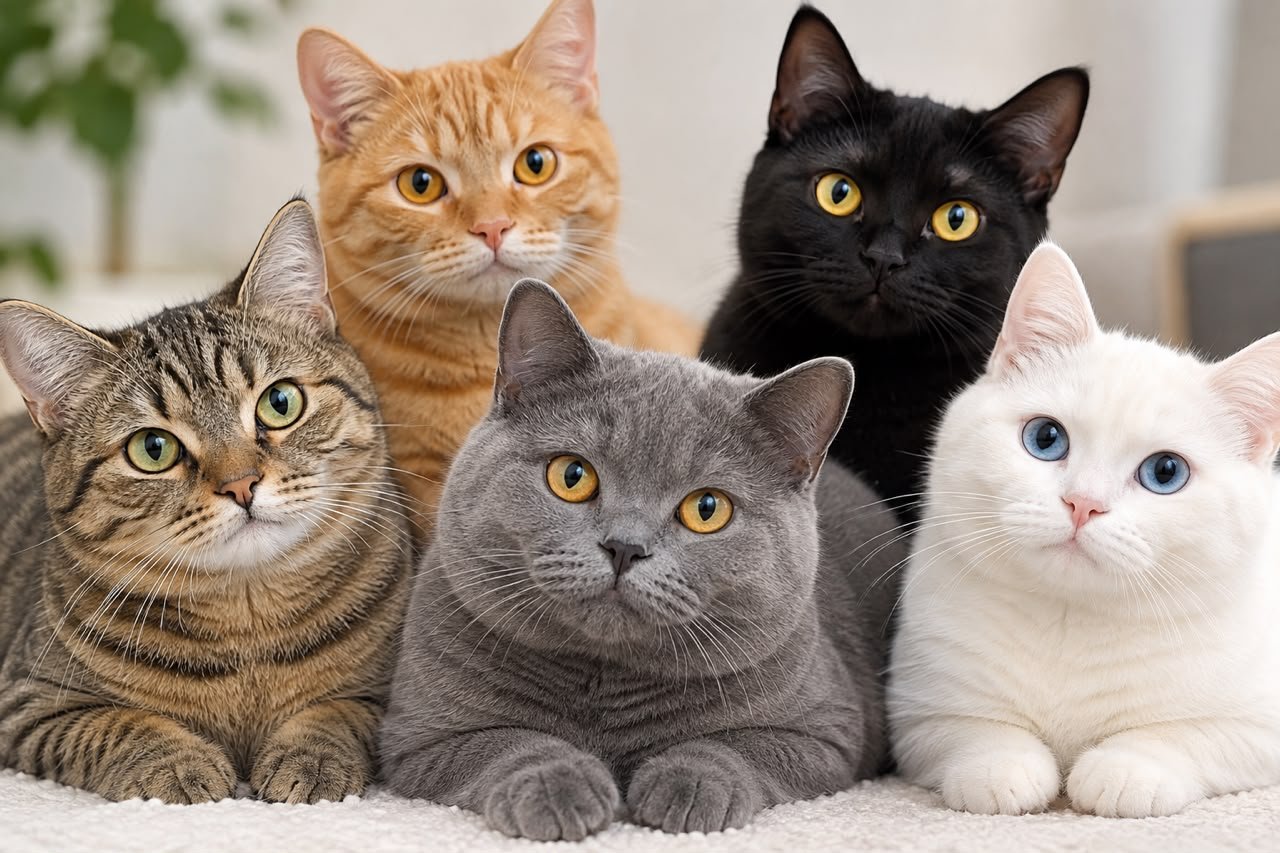
| British Shorthair | $800–$2,500 |
| Bengal | $1,500–$4,000 |
| Sphynx | $1,500–$4,000 |
| Scottish Fold | $1,000–$3,000 |
| Savannah | $2,000–$20,000 or more, depending on generation |
These figures are illustrative budgeting ranges, not guaranteed prices. Savannah cat prices vary especially widely by generation, and ownership laws may restrict some generations in certain locations.
Adopting a cat from a shelter or rescue organization can be more affordable than purchasing from a breeder. Adoption fees may also cover some initial veterinary services.
Factors That Affect Cat Breed Costs
Several factors influence how much a cat costs to buy and maintain.
1. Breed Popularity
Popular breeds may have higher prices because of demand, appearance, temperament, or pedigree. Breeds such as Maine Coons, Ragdolls, and British Shorthairs are often sought after by cat lovers.
However, popularity does not necessarily mean a breed is healthier or easier to care for.
2. Breeder Reputation
Responsible breeders invest in veterinary care, genetic screening where appropriate, early socialization, and suitable living conditions. These practices can affect the price of a kitten.
Always research the breeder, request health records, and avoid sellers who refuse to provide basic information about the kitten’s background.
3. Pedigree and Bloodline
Cats with documented pedigrees or championship bloodlines may cost more than cats without pedigree documentation. A higher price should not replace careful checks of the cat’s health and welfare.
4. Age of the Cat
Kittens may cost more than adult cats from some breeders. Adult cats and retired breeding cats may sometimes be available at lower prices through responsible breeders or rescue organizations.
5. Location and Availability
Cat prices differ between countries and cities. Transportation, import requirements, veterinary certificates, and local demand can increase the total cost of acquiring a particular breed.
Additional Costs of Owning a Cat
The initial purchase price is only the beginning. Every cat needs food, safe housing, preventive healthcare, and regular attention.
Cat Food Costs
Food expenses depend on your cat’s age, size, activity level, and dietary needs. Premium food may cost more, but the most important consideration is whether the food is complete, balanced, and appropriate for your cat.
Veterinary Care
Routine veterinary expenses may include health examinations, vaccinations, parasite prevention, dental care, and spaying or neutering. Unexpected illnesses and injuries can result in additional costs.
Grooming Expenses
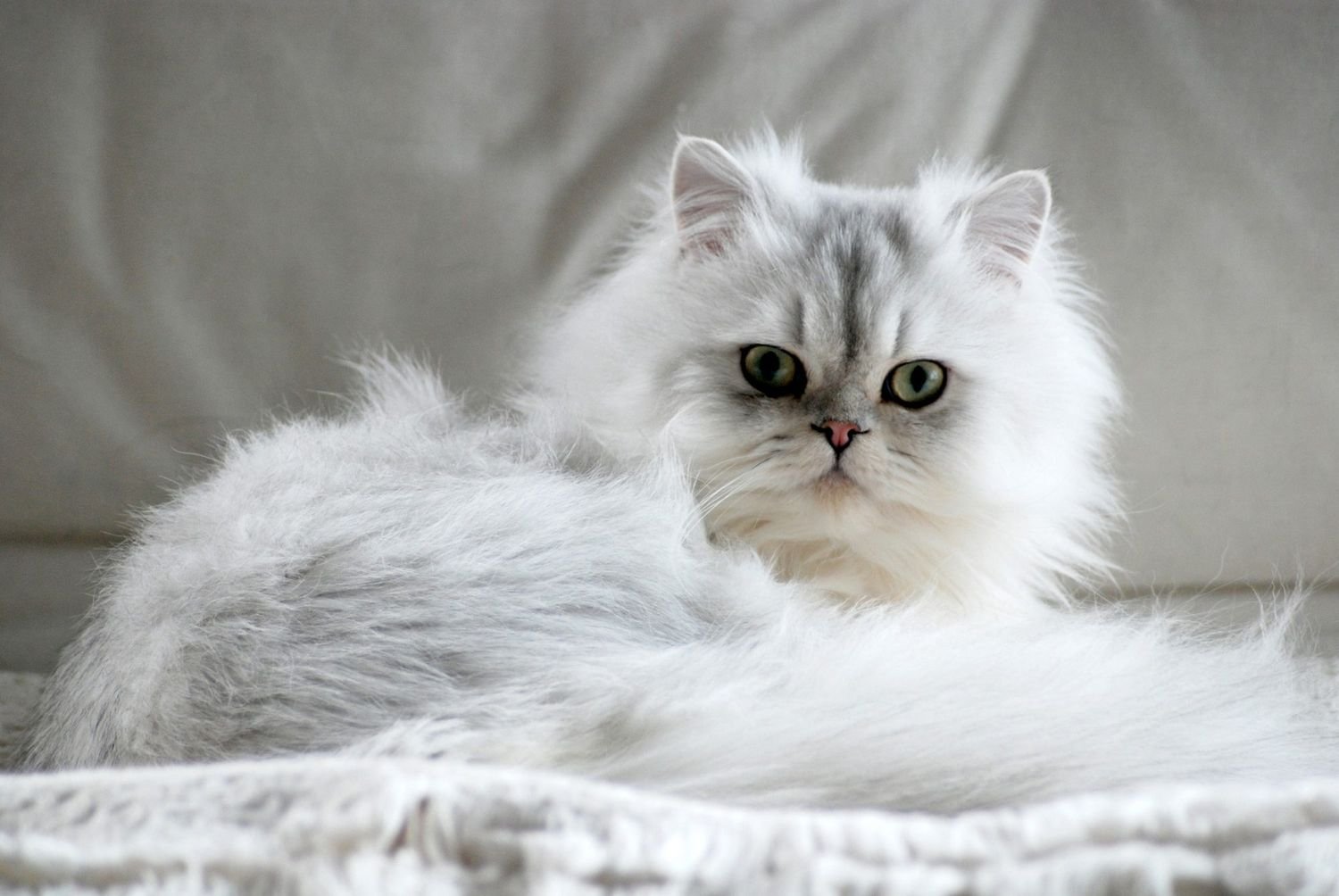
Short-haired cats generally require less grooming than many long-haired breeds. Persian cats, for example, often need frequent brushing to prevent mats and tangles.
Some breeds also require additional skin, ear, or dental care.
Cat Supplies
Essential supplies include a litter box, litter, food and water bowls, a carrier, a scratching post, toys, and a comfortable resting area.
These items may require replacement as your cat grows or as equipment wears out.
Pet Insurance and Emergency Savings
Pet insurance may help cover certain unexpected veterinary expenses, depending on the policy, exclusions, deductibles, and reimbursement limits. Alternatively, you can build an emergency savings fund for your cat’s medical needs.
Estimated Monthly and Annual Cat Ownership Costs
The following figures are broad US budgeting estimates for one cat. They are not breed-specific quotes and do not include every possible medical emergency.
| Expense | Estimated Cost |
|---|---|
| Food per month | $20–$80 |
| Litter per month | $15–$40 |
| Toys and basic supplies per month | $5–$25 |
| Routine veterinary care per year | $100–$500 |
| Grooming per year | $0–$600 or more |
As a broad planning estimate, ordinary cat ownership may cost around $50–$150 per month, excluding the initial purchase price and major unexpected medical expenses. Actual spending can be considerably lower or higher depending on your location and the cat’s needs.
Cheapest Cat Breeds and Affordable Options
If you are looking for a budget-friendly cat, consider the total cost of care rather than the purchase price alone.
Domestic Shorthair
Domestic Shorthair cats are often available through shelters and rescue groups. Their short coats usually require relatively little grooming, although individual health and care needs vary.
Siamese
Siamese cats have short coats and typically need little coat maintenance. They are often social and vocal, so prospective owners should consider their need for companionship and interaction.
American Shorthair
American Shorthairs are known for their short coats and sturdy build. Prices vary by breeder and pedigree, and adoption may be an option for mixed-breed or non-pedigree cats with similar characteristics.
Mixed-Breed Cats
Mixed-breed cats can make wonderful companions and may be available at lower adoption fees. Their health, temperament, and care needs should still be assessed individually.
Adoption is often an excellent option for people who want to give a cat a home while managing their initial expenses.
Most Expensive Cat Breeds
Some cat breeds can have particularly high purchase prices because of their rarity, specialized breeding, or distinctive appearance.
Savannah Cats
Savannah cats can be expensive, particularly in earlier generations with a closer relationship to their serval ancestry. Their needs, behavior, legal status, and suitability for ordinary households require careful research.
Bengal Cats
Bengal cats often have striking spotted or marbled coats. They are active and intelligent, and they may need substantial playtime, enrichment, and space for climbing.
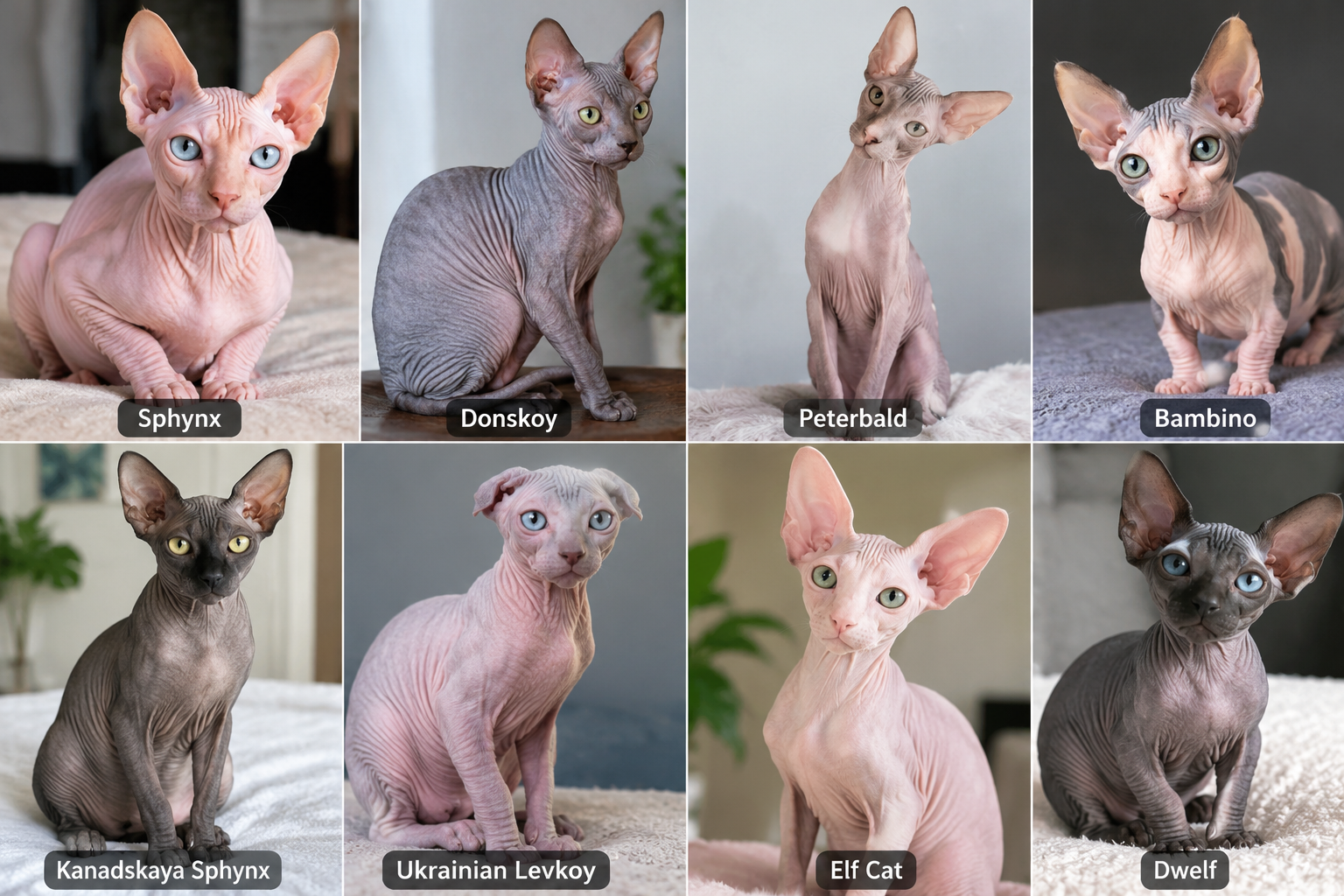
Sphynx Cats
Sphynx cats are known for their hairless appearance. Their skin may need regular cleaning, and they require protection from temperature extremes and sun exposure.
Scottish Fold Cats
Scottish Fold cats are recognized by their folded ears. However, the genetic mutation associated with folded ears can also cause painful cartilage and bone disease. Prospective owners should carefully consider the breed’s welfare implications rather than choosing one based on appearance alone.
A high purchase price does not guarantee better health, a better temperament, or lower lifetime expenses.
How to Choose a Cat Breed Based on Your Budget
Choosing the right cat involves balancing affordability, personality, grooming requirements, activity level, and long-term health considerations.
Before making a decision, ask yourself:
- Can I afford regular food and litter expenses?
- Can I pay for routine veterinary care and unexpected emergencies?
- How much time can I devote to play, grooming, and companionship?
- Does my home provide enough space and enrichment for this cat?
- Have I researched breed-specific health risks?
- Can I find a suitable cat through a reputable breeder or rescue organization?
If your budget is limited, an adopted adult cat may be a practical choice. Adult cats often have more established personalities, making it easier to find a companion whose activity level and temperament suit your household.
Tips for Saving Money on Cat Ownership
You can manage cat expenses without compromising essential care.
- Consider adoption: Compare local shelter and rescue fees.
- Budget for preventive care: Regular veterinary visits may help identify problems early.
- Buy supplies carefully: Compare prices while prioritizing safe, durable products.
- Choose appropriate food: Select complete and balanced food that meets your cat’s needs.
- Maintain grooming: Regular brushing can help prevent tangles in long-haired cats.
- Plan for emergencies: Keep savings available for unexpected veterinary treatment.
- Research before buying: Avoid sellers who provide no health documentation or pressure you into a quick purchase.
Never skip necessary veterinary treatment or buy a cat from an irresponsible seller simply to save money.

LSI Keywords for Cat Breed Costs
The following related and semantically relevant keywords can support your article’s SEO strategy when used naturally.
- Cat breed prices
- How much does a cat cost
- Cat adoption fees
- Cat ownership costs
- Cost of owning a cat
- Most expensive cat breeds
- Cheapest cat breeds
- Affordable cat breeds
- Purebred cat prices
- Kitten purchase price
- Cat food expenses
- Cat veterinary costs
- Cat grooming costs
- Monthly cat expenses
- Annual cat care costs
- Cat supplies checklist
- Pet insurance for cats
- Maine Coon price
- Persian cat price
- Bengal cat cost
- Ragdoll cat price
- British Shorthair cost
- Savannah cat price
- Cat breed comparison
- Responsible cat breeders
- Cat adoption versus buying
- Lifetime cost of cat ownership
- Budget-friendly pets
Use these keywords in relevant sections, headings, and image alt text when appropriate. Avoid keyword stuffing or repeating phrases unnaturally.
Frequently Asked Questions (FAQs)
1. How much does a cat cost?
The cost depends on the breed and where you acquire the cat. Adoption may cost tens to a few hundred dollars, while pedigree kittens from breeders may cost hundreds or thousands of dollars.
2. What is the cheapest cat breed?
Domestic Shorthair and mixed-breed cats are often affordable adoption options. Adoption fees vary by shelter and may include initial veterinary services.
3. Which cat breed is the most expensive?
Savannah cats from certain generations can cost many thousands of dollars. Prices vary considerably, and legal restrictions may apply depending on the location and generation.
4. How much does it cost to own a cat per month?
A broad US estimate is approximately $50–$150 per month for ordinary expenses, excluding major emergencies. Food, litter, veterinary needs, grooming, and local prices affect the total.
5. Are purebred cats more expensive than mixed-breed cats?
Purebred cats purchased from breeders often cost more because of pedigree documentation and breeding expenses. Mixed-breed cats adopted from shelters may have lower initial fees, although their ongoing care still costs money.
6. Which cat breeds require the least grooming?
Short-haired cats, including many Domestic Shorthairs and American Shorthairs, generally need less coat maintenance than long-haired breeds. All cats still benefit from appropriate grooming and routine health checks.
7. Is adopting a cat cheaper than buying one?
Adoption is often less expensive initially, and the fee may include vaccinations, microchipping, or sterilization. However, the exact services included depend on the organization.
8. What additional costs should I consider before buying a cat?
Plan for food, litter, vaccinations, veterinary examinations, sterilization, grooming, toys, carriers, and emergency treatment. Breed-specific health needs may also increase expenses.
9. Does a more expensive cat have better health?
No. A higher purchase price does not guarantee better health. Responsible breeding, appropriate health screening, veterinary care, and the individual cat’s genetics all matter.
10. How can I find a reputable cat breeder?
Look for breeders who welcome questions, provide veterinary and relevant genetic health records, maintain clean living conditions, and prioritize the kittens’ welfare. Avoid sellers who refuse documentation or offer kittens with no meaningful health history.
Conclusion
Cat breed costs vary widely depending on the breed, breeder, location, pedigree, and the cat’s individual needs. While some pedigree breeds may cost thousands of dollars to purchase, adoption can provide a more affordable way to welcome a cat into your home.
However, the purchase price is only one part of responsible cat ownership. Food, litter, preventive veterinary care, grooming, supplies, and unexpected medical expenses should all be included in your budget.
Before choosing a cat, research its temperament, grooming requirements, potential health risks, and long-term care needs. By comparing the full cost of ownership and choosing a cat that suits your lifestyle, you can make a responsible decision and provide your feline companion with a safe, comfortable, and healthy life.