Short Hair Cats: Breeds, Personality, Lifespan, Grooming, and Care
Short Hair Cats: Breeds, Personality, Lifespan, Grooming, and Care
Short hair cats are among the most popular pets in the world because of their beautiful coats, charming personalities, and relatively easy grooming needs. These cats come in different sizes, colors, patterns, and temperaments, making them suitable companions for individuals, couples, and families.
Unlike long-haired cats that often require frequent brushing to prevent tangles and mats, short-haired cats generally need less coat maintenance. However, they still require proper nutrition, regular veterinary care, exercise, and attention to remain healthy and happy.
Some popular short-haired cat breeds include the American Shorthair, British Shorthair, Siamese, Bengal, and Russian Blue. Domestic Shorthair cats are also common household pets, although they are not a specific pedigree breed.
In this guide, you will discover everything about short hair cats, including their breeds, lifespan, personality, grooming requirements, diet, health concerns, and essential care tips.
What Are Short Hair Cats?
Short hair cats are domestic cats with relatively short coats that lie close to their bodies. Their fur may be smooth, dense, glossy, or slightly plush, depending on their breed and genetic background.
The term “short hair cat” describes coat length rather than a single breed. Some short-haired cats belong to recognized pedigree breeds, while others have mixed or unknown ancestry.
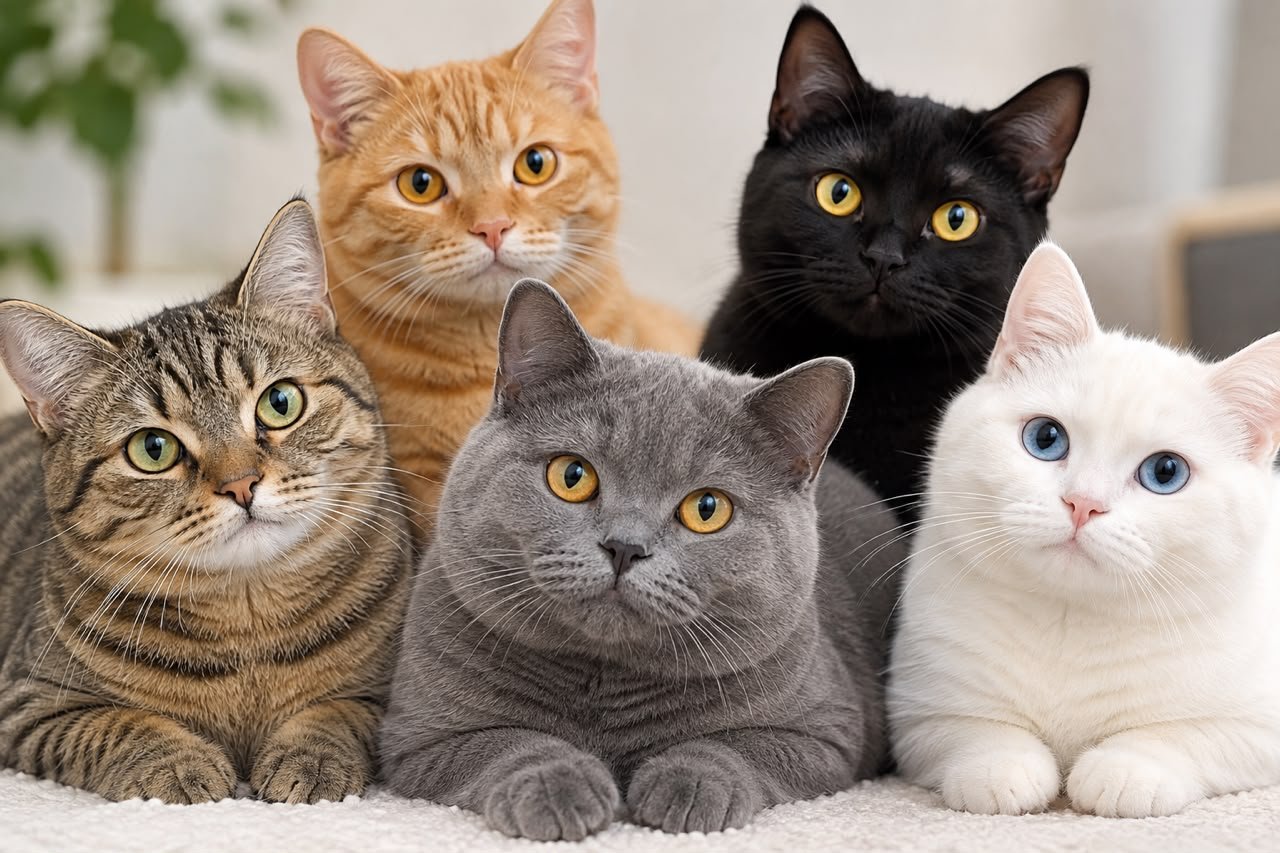
Domestic Shorthair cats are particularly common in shelters and households. They can have almost any coat color or pattern, including black, white, gray, orange tabby, calico, tortoiseshell, and black-and-white.
Although short-haired cats usually need less brushing than long-haired cats, their grooming and health requirements still depend on their individual needs.
Popular Short Hair Cat Breeds
There are many short-haired cat breeds, each with unique physical characteristics and personality traits. Here are some popular options for people looking for a short-coated feline companion.
1. American Shorthair
The American Shorthair is known for its sturdy body, round face, and dense coat. These cats are generally adaptable and can make excellent family pets.
They come in many colors and patterns, including the familiar silver tabby. Regular play and a balanced diet help maintain their healthy body condition.
2. British Shorthair
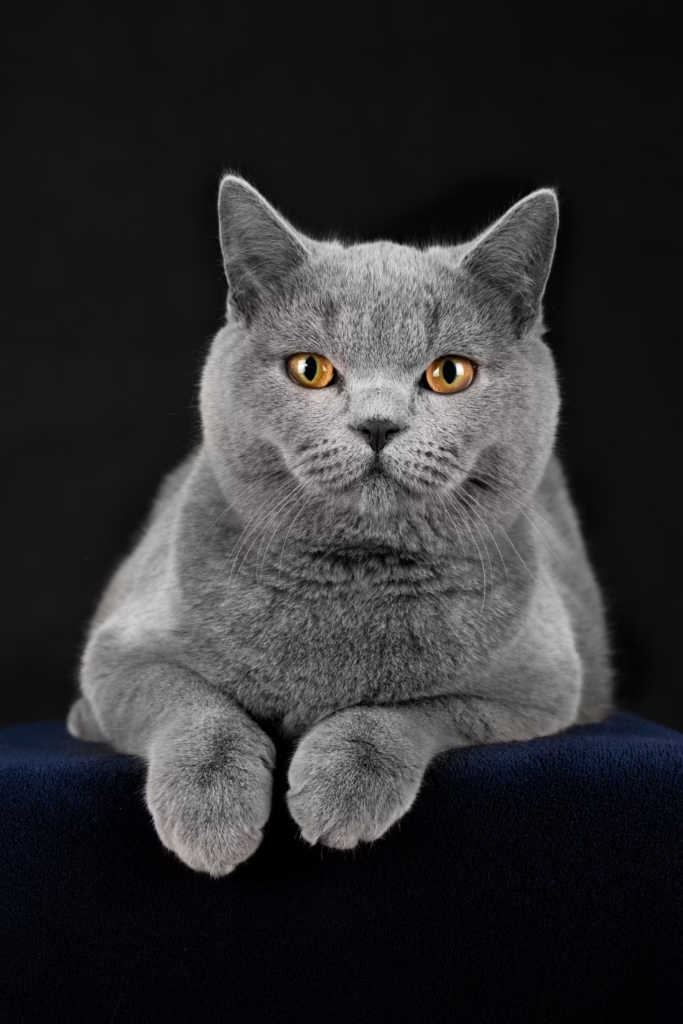
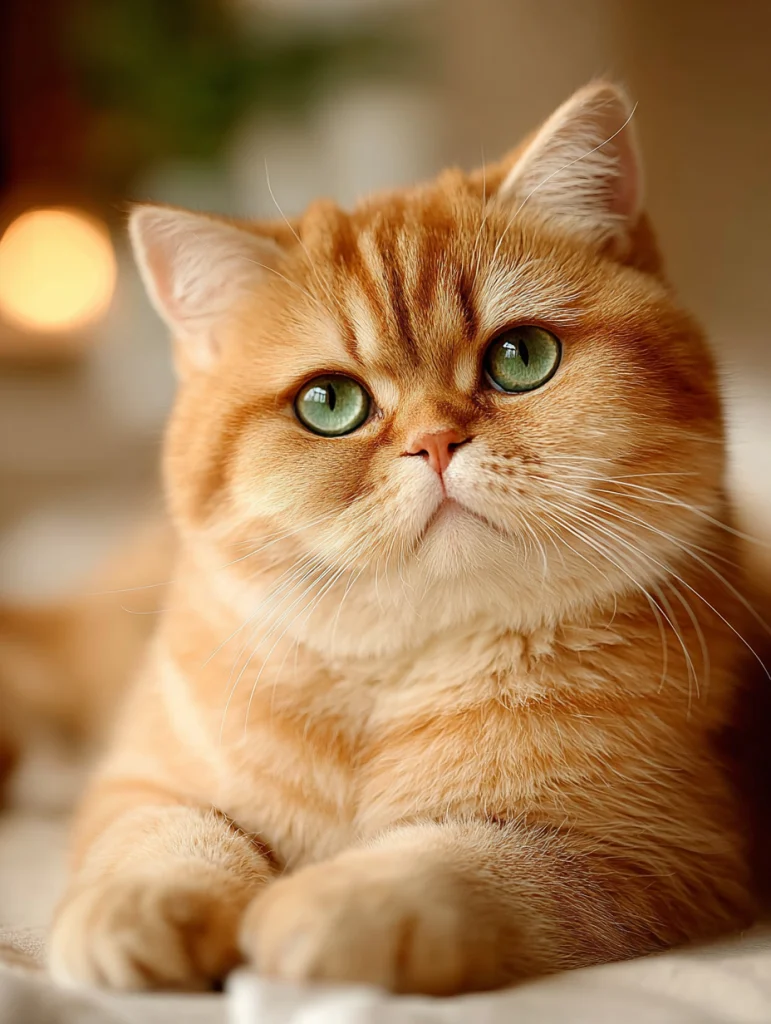
The British Shorthair is recognized for its round cheeks, broad body, plush coat, and large eyes. Blue-gray is a particularly well-known coat color, although the breed comes in many other colors and patterns.
These cats are often calm and independent. They may enjoy sitting near their owners without constantly demanding attention.
3. Siamese Cat
Siamese cats have sleek, short coats, striking blue eyes, and distinctive color-point markings. Their bodies are generally slender and athletic.
They are often social, vocal, intelligent, and interactive. Siamese cats usually benefit from regular play and companionship.
4. Bengal Cat
Bengal cats are famous for their spotted or marbled coats, which resemble the patterns of wild cats. They have athletic bodies and typically require plenty of physical activity and mental stimulation.
Interactive toys, climbing structures, and puzzle feeders can help keep Bengal cats entertained.
5. Russian Blue
The Russian Blue has a short, dense, silvery-blue coat and vivid green eyes. These cats are often described as gentle, observant, and somewhat reserved around unfamiliar people.
Regular brushing helps remove loose hair and maintain their coat’s appearance.
6. Domestic Shorthair
The Domestic Shorthair is not a specific pedigree breed. Instead, the name describes a short-coated domestic cat with mixed or unknown ancestry.
Domestic Shorthair cats vary widely in size, coat color, personality, and body shape. Many are affectionate, playful, adaptable companions.
Adopting a Domestic Shorthair from a shelter can be a wonderful way to provide a loving home to a cat in need.
Short Hair Cat Appearance and Characteristics
Short hair cats have a wide variety of physical characteristics because coat length is shared by many different breeds and mixed-breed cats.
Coat texture: Their fur may be sleek, soft, dense, or plush.
Coat colors: Common colors include black, white, gray, cream, orange, brown, and blue-gray.
Patterns: Short-haired cats may have tabby stripes, spots, color-point markings, tortoiseshell patches, calico patterns, or solid-colored coats.
Body size: Some breeds are slender and athletic, while others have broad chests and muscular bodies.
Eye color: Depending on breed and genetics, eye colors may include green, blue, gold, amber, or copper.
Because short-haired cats are not one single breed, there is no universal body size, appearance, or personality standard for all of them.
Short Hair Cat Lifespan
The average short hair cat lifespan is generally around 12–18 years, although some cats live longer with good care and favorable genetics.
A cat’s life expectancy depends on several factors, including breed, nutrition, living environment, preventive healthcare, and inherited health conditions.
Indoor cats often face fewer dangers than cats that roam outdoors. Keeping a cat indoors or providing secure outdoor access can reduce exposure to traffic, predators, fights, and some infectious diseases.
To support a long and healthy life:
- Feed a complete and balanced diet suitable for your cat’s age.
- Maintain a healthy body weight.
- Provide fresh water every day.
- Schedule regular veterinary examinations.
- Keep vaccinations and parasite prevention up to date.
- Encourage daily exercise and interactive play.
- Pay attention to changes in appetite, behavior, or litter-box habits.
Routine veterinary care can help identify potential health problems before they become more serious.
Short Hair Cat Personality and Temperament
Short hair cat personality varies according to breed, genetics, socialization, and individual experiences. Some cats are affectionate and outgoing, while others are independent or cautious around strangers.
Affectionate and Friendly
Many short-haired cats enjoy spending time with their owners. They may sit beside you, follow you around the home, or curl up on your lap.
However, not every cat enjoys being held or handled frequently. Respecting a cat’s preferences helps build trust.
Playful and Energetic
Breeds such as Siamese and Bengal cats are often active and curious. They may enjoy chasing toys, climbing cat trees, and exploring their surroundings.
Other cats, including many British Shorthairs, may prefer a calmer routine.
Intelligent and Curious
Short-haired cats often enjoy activities that challenge their natural hunting instincts. Puzzle feeders, treat toys, and interactive games can provide useful mental stimulation.
Good Family Pets
Many short-haired cats can adapt well to family life. Gentle introductions, supervised interactions with young children, and positive experiences with other pets can help them feel secure.
Choosing a cat based on its observed temperament is more reliable than assuming all short-haired cats behave the same way.
Short Hair Cat Grooming Requirements
One of the main advantages of short hair cats is their relatively simple grooming routine. Their coats are less likely to develop severe tangles or mats than long-haired coats.
However, short-haired cats still shed and benefit from regular brushing.
How Often Should You Brush a Short Hair Cat?
Most short-haired cats benefit from brushing once or twice a week. Some cats may need more frequent brushing during seasonal shedding or if they have particularly dense coats.
A soft-bristle brush, rubber grooming brush, or suitable grooming glove can help remove loose fur.
Brush gently in the direction of hair growth and make grooming a positive experience with praise or treats.
Do Short Hair Cats Shed?
Yes. Short-haired cats shed throughout the year, and shedding may increase during seasonal coat changes.
Although their hairs are shorter, they can still stick to clothing, furniture, carpets, and bedding.
Regular brushing, vacuuming, and washing pet bedding can help manage loose hair around the home.
Bathing and Nail Care
Most healthy cats do not need frequent baths because they clean themselves naturally. Bathing may be necessary if a cat becomes unusually dirty or a veterinarian recommends it.
Nails should be trimmed when needed, and scratching posts should be available to support natural scratching behavior.
Ear and Dental Care
Check your cat’s ears regularly for redness, unusual discharge, or odor. Brush its teeth with cat-safe toothpaste when possible, and arrange veterinary dental examinations as recommended.
Good grooming habits support healthy skin, a comfortable coat, and overall well-being.
Short Hair Cat Diet and Nutrition
Proper nutrition is essential for healthy skin, a shiny coat, strong muscles, and a healthy immune system.
The best cat food is a complete and balanced diet suited to your cat’s age, weight, activity level, and health requirements.
What Should Short Hair Cats Eat?
A healthy feline diet should provide:
- Animal protein: Supports muscle development and maintenance.
- Essential fatty acids: Help maintain healthy skin and fur.
- Taurine: An essential nutrient for normal heart and eye function.
- Vitamins and minerals: Support normal body functions.
- Fresh water: Helps maintain hydration and urinary health.
Wet food can contribute to water intake, while dry food can also be appropriate when it meets the cat’s nutritional needs.
Kittens require food formulated for growth, while adult cats generally need an adult maintenance diet. Senior cats may require individualized nutritional support depending on their health.
Feeding and Portion Control
Follow the food manufacturer’s feeding guidance as a starting point and adjust portions according to your cat’s body condition and veterinary advice.
Avoid giving too many treats or excessive table scraps. Overfeeding can lead to obesity, which increases the risk of diabetes, joint problems, and other health concerns.
Common Short Hair Cat Health Problems
Short-haired cats can experience many of the same health problems as other domestic cats. Their risk depends on their breed, genetics, age, lifestyle, and overall care.
Obesity
Indoor cats may gain weight if they consume more calories than they burn. Regular play, appropriate food portions, and periodic weight checks can help maintain a healthy body condition.
Dental Disease
Plaque and tartar can cause gum inflammation, bad breath, and painful dental disease. Regular toothbrushing and veterinary dental care can reduce these risks.
Skin Allergies and Parasites
Fleas, mites, allergies, and skin infections can cause itching, redness, hair loss, and excessive grooming.
Inspect your cat’s skin regularly and consult a veterinarian if you notice persistent itching or unusual skin changes.
Urinary Problems
Cats can develop urinary tract conditions, including bladder inflammation and urinary blockages.
Warning signs include frequent litter-box visits, straining, blood in the urine, or crying during urination. Straining with little or no urine requires emergency veterinary care because a blockage can be life-threatening.
Breed-Related Conditions
Some pedigree short-haired breeds have inherited health risks. For example, certain British Shorthair and Bengal bloodlines may have breed-associated conditions that warrant appropriate veterinary screening.
Domestic Shorthair cats have diverse ancestry, so their health risks vary between individuals.
Regular checkups, vaccinations, parasite prevention, and prompt attention to unusual symptoms are important for every cat.
Indoor vs. Outdoor Short Hair Cats
Short-haired cats can thrive indoors when their physical and mental needs are met.
Benefits of Keeping Cats Indoors
Indoor living reduces exposure to traffic, predators, fights, and some infectious diseases. It can also make it easier to monitor your cat’s food intake, weight, and general health.
Provide a comfortable home environment with scratching posts, climbing spaces, hiding places, toys, and daily interaction.
Safe Outdoor Activities
Some cats enjoy supervised outdoor exploration. A secure cat enclosure, enclosed garden, or carefully introduced harness can provide enrichment while reducing many outdoor risks.
Avoid allowing cats to roam freely in dangerous environments.
Regardless of coat length, cats need a safe environment, opportunities for exercise, and regular attention from their owners.
Short Hair Cats vs. Long Hair Cats
The main difference between short hair cats and long hair cats is coat length and the grooming routine each coat requires.
| Feature | Short Hair Cats | Long Hair Cats |
|---|---|---|
| Coat length | Short and close to the body | Long or semi-long |
| Brushing | Usually once or twice a week | Often several times a week or daily |
| Matting risk | Generally lower | Generally higher |
| Shedding | Yes | Yes |
| Grooming effort | Usually lower | Usually higher |
| Personality | Depends on breed and individual | Depends on breed and individual |
Short-haired cats are often easier to groom, but they are not maintenance-free. Both coat types need regular care, balanced nutrition, and routine veterinary examinations.
How to Care for a Short Hair Kitten
Short-haired kittens need special care during their early months because they are growing rapidly and developing important social skills.
Follow these basic kitten-care tips:
- Provide a complete kitten food designed for growth.
- Keep fresh drinking water available.
- Arrange veterinary checkups and age-appropriate vaccinations.
- Introduce gentle brushing and nail handling gradually.
- Provide a clean litter box that is easy to access.
- Offer safe toys and opportunities for supervised play.
- Create a quiet sleeping area where the kitten feels secure.
- Introduce new people and pets gradually.
If you adopt a kitten, ask the shelter, rescue organization, or previous caregiver about its vaccination history, deworming, and any known medical concerns.
Are Short Hair Cats Good Pets?
Yes, short-haired cats can make excellent pets for many households. Their relatively easy coat maintenance is attractive to first-time cat owners, busy families, and people who prefer a simpler grooming routine.
However, all cats need daily care, including feeding, fresh water, litter-box cleaning, play, companionship, and veterinary attention.
Before adopting a cat, consider its energy level, temperament, expected care costs, and compatibility with your household.
If you want a calm companion, an active playmate, or an affectionate lap cat, meet individual cats and learn about their behavior before making a decision.
Frequently Asked Questions (FAQs)
1. What are short hair cats?
Short hair cats are domestic cats with relatively short coats. The term includes many pedigree breeds, such as the American Shorthair and Siamese, as well as mixed-breed Domestic Shorthair cats.
2. What is the average lifespan of a short hair cat?
Many short-haired domestic cats live approximately 12–18 years. Genetics, nutrition, veterinary care, lifestyle, and living conditions can influence their life expectancy.
3. Do short hair cats shed?
Yes. Short-haired cats shed throughout the year, and some shed more during seasonal changes. Regular brushing can help remove loose hair.
4. Are short hair cats easy to maintain?
They generally require less coat maintenance than long-haired cats. However, they still need brushing, nail care, dental hygiene, a balanced diet, and regular veterinary checkups.
5. What are the most popular short hair cat breeds?
Popular short-haired breeds include the American Shorthair, British Shorthair, Siamese, Bengal, and Russian Blue. Domestic Shorthair cats are also common pets but are not a specific pedigree breed.
6. Are short hair cats hypoallergenic?
No cat breed is completely hypoallergenic. Cat allergens are associated with proteins produced in saliva, skin, and other secretions rather than simply with coat length. People with allergies may react differently to individual cats.
7. How often should I brush a short hair cat?
Most short-haired cats benefit from brushing once or twice a week. Cats with dense coats or heavier shedding may need more frequent brushing.
8. Are short hair cats good for families?
Many short-haired cats can be excellent family pets. Their suitability depends on their individual temperament, socialization, and the way family members interact with them.
9. What is the difference between a Domestic Shorthair and an American Shorthair?
A Domestic Shorthair is a general classification for a short-coated cat with mixed or unknown ancestry. The American Shorthair is a recognized pedigree breed with established characteristics and breed standards.
10. What is the best food for short hair cats?
The best food is a complete and balanced cat diet appropriate for the animal’s age, body condition, and health. Adequate animal protein, essential nutrients, and fresh water are important.
11. Do short hair cats need baths?
Most healthy cats rarely need baths because they groom themselves. A bath may be appropriate if the cat becomes heavily soiled or a veterinarian recommends it.
12. Are short hair cats suitable for first-time owners?
Many short-haired cats can be suitable for first-time owners because their grooming requirements are generally manageable. New owners should still learn about feline nutrition, behavior, preventive healthcare, and daily care.
Conclusion
Short hair cats are wonderful companions known for their diverse appearances, individual personalities, and relatively simple grooming needs. From the friendly American Shorthair to the playful Siamese and the affectionate Domestic Shorthair, there are many options for people looking to welcome a cat into their home.
Although short-haired cats generally need less brushing than long-haired cats, they still require proper nutrition, regular veterinary care, daily exercise, dental hygiene, and a safe living environment.
Understanding your cat’s breed characteristics, temperament, and individual health needs will help you provide the best possible care. With a balanced diet, regular grooming, preventive healthcare, and plenty of affection, a short hair cat can become a cherished family companion for many years.
SEO Details
SEO Title: Short Hair Cats: 10 Amazing Facts, Breeds & Care Tips
Focus Keyword: Short Hair Cats
Permalink: short-hair-cats
Meta Description: Discover short hair cats, popular breeds, lifespan, personality, grooming, diet, common health problems, and essential care tips for a happy, healthy cat.
LSI Keywords Included:
- Short hair cat breeds
- Short hair cat lifespan
- Short hair cat personality
- Short hair cat grooming
- Domestic Shorthair cat
- American Shorthair cat
- British Shorthair cat
- Short-haired domestic cat
- Short hair cat shedding
- Short hair cat diet
- Short hair cat health problems
- Best short hair cats for families
- Short hair cats vs. long hair cats
- Short-haired kitten care
- Low-maintenance cats
- Indoor cat care
- Cat nutrition and grooming
SEO tip: Use the focus keyword naturally in the introduction, one H2 heading, the conclusion, and your image alt text. Avoid excessive keyword repetition to keep the article readable and natural.