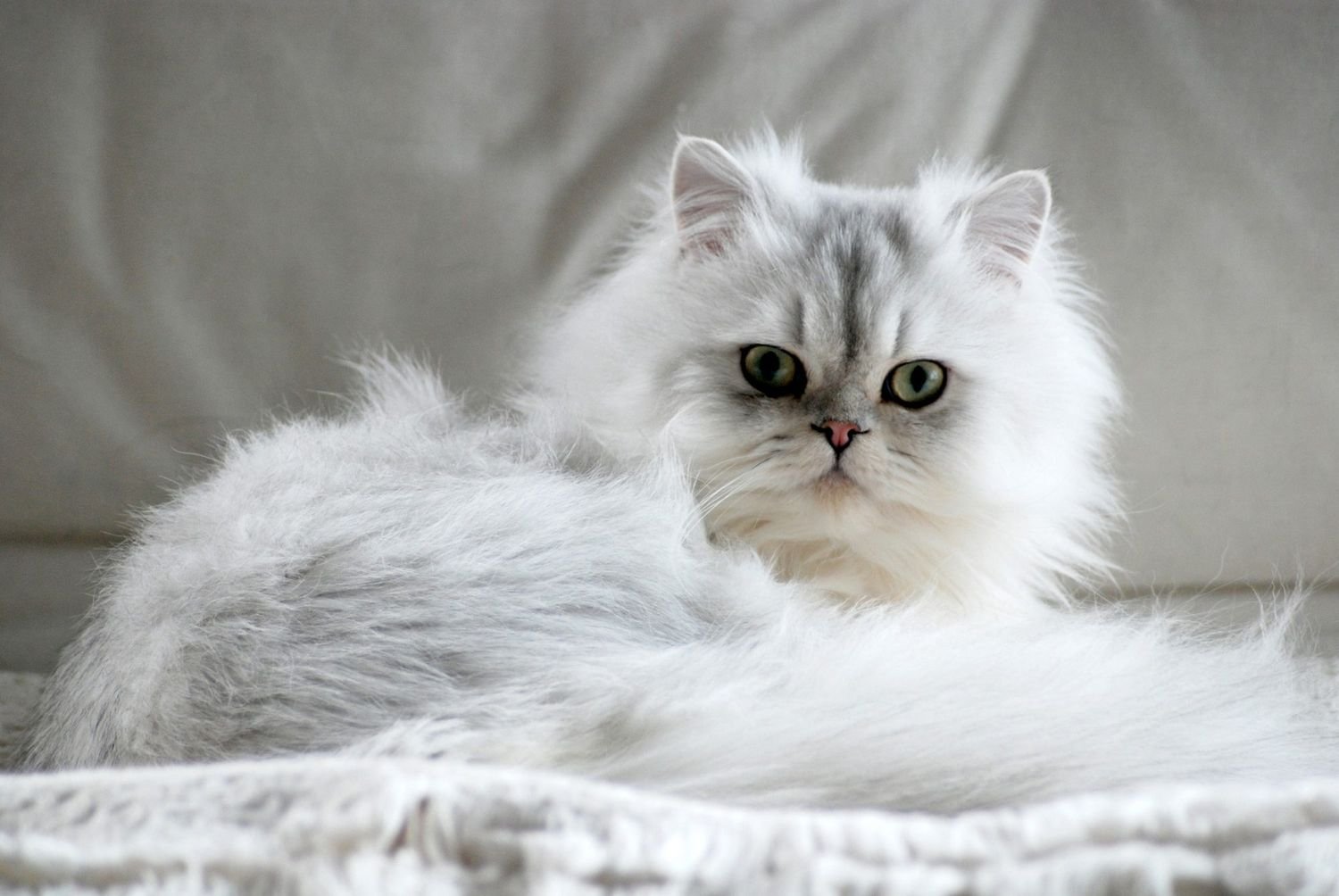
The Domestic Longhair cat is a popular type of house cat known for its beautiful long fur, fluffy tail, charming appearance, and loving personality. These cats come in a wide variety of colors and patterns, including black, white, gray, orange tabby, calico, tortoiseshell, and black-and-white tuxedo coats. Their unique looks and individual personalities make them wonderful companions for many cat lovers.
Unlike recognized pedigree cats such as the Maine Coon, Persian, and Ragdoll, the Domestic Longhair is not a specific cat breed. Instead, the term describes domestic cats with long or semi-long coats and mixed or unknown ancestry. Because of their diverse genetic backgrounds, Domestic Longhair cats can differ significantly in size, temperament, coat texture, and health needs.
Whether you are considering adopting a fluffy kitten or caring for an adult long-haired cat, understanding its grooming requirements, nutritional needs, behavior, and general health can help you provide the best possible care.
In this guide, we will explore everything you need to know about Domestic Longhair cats, including their appearance, average lifespan, personality traits, grooming routine, diet, common health concerns, and frequently asked questions.
What Is a Domestic Longhair Cat?
A Domestic Longhair cat is a domestic cat with a long or semi-long coat that does not belong to a confirmed pedigree breed. The name describes the cat’s coat length rather than its genetic ancestry.
Domestic Longhair cats can develop naturally in mixed-breed populations, and their physical characteristics vary widely. Some have thick double coats, while others have silky fur, feathered tails, or distinctive tufts of hair around their ears and paws.
These cats are commonly found in animal shelters, rescue organizations, and households around the world. They can be affectionate family pets, playful companions, or independent cats that enjoy a quieter lifestyle.
One important thing to remember is that a Domestic Longhair cat is not automatically related to a particular purebred long-haired breed. Its appearance alone cannot reliably determine its ancestry.
Domestic Longhair Cat Appearance
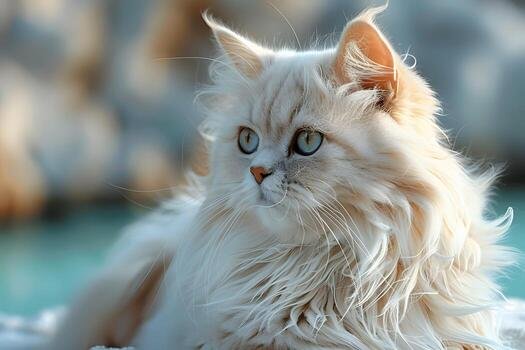
The Domestic Longhair cat is best known for its luxurious coat and wide range of physical features. Because these cats have mixed or unknown ancestry, there is no single standard appearance.
Coat Colors and Patterns
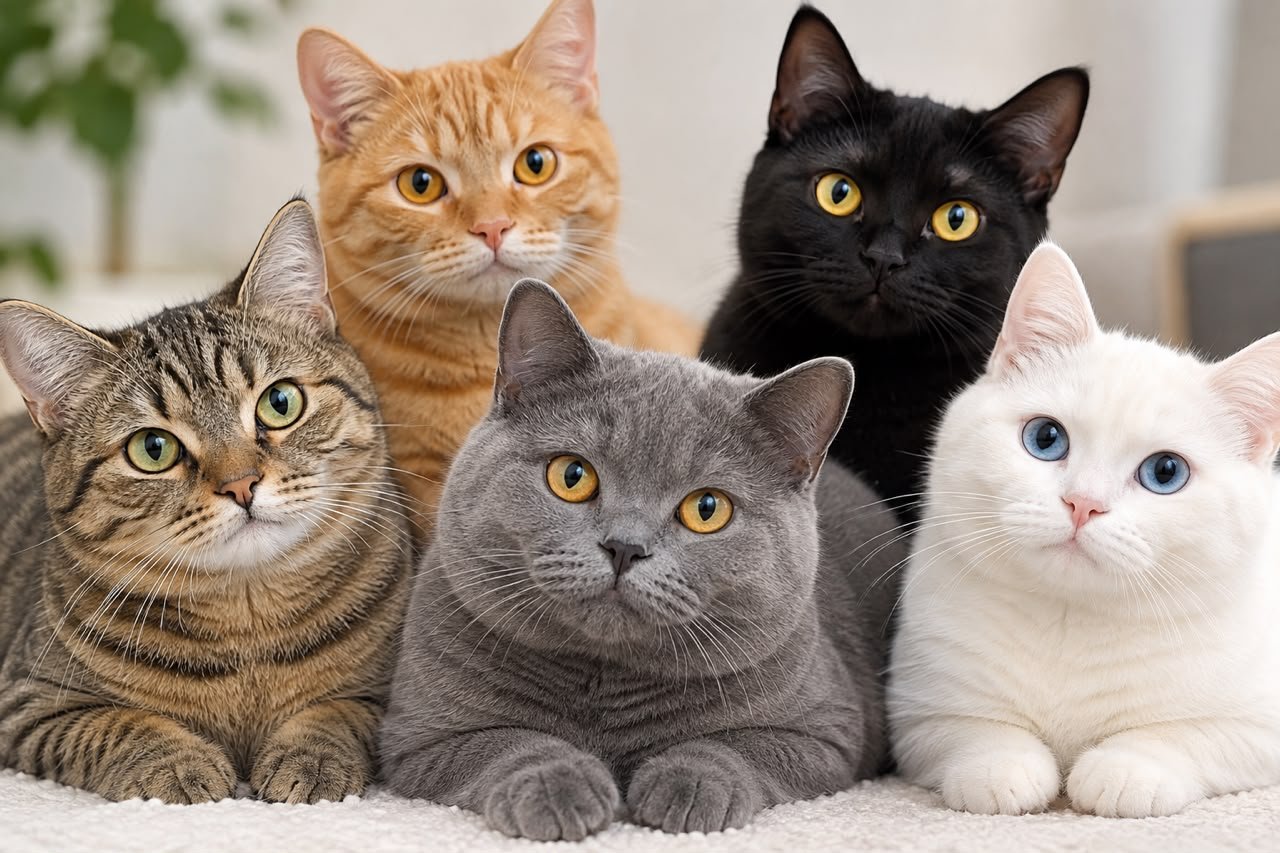
Domestic Longhair cats can have almost any coat color or pattern, including:
- Black: Solid black fur that may look glossy in sunlight.
- White: A bright white coat that can make their eyes stand out.
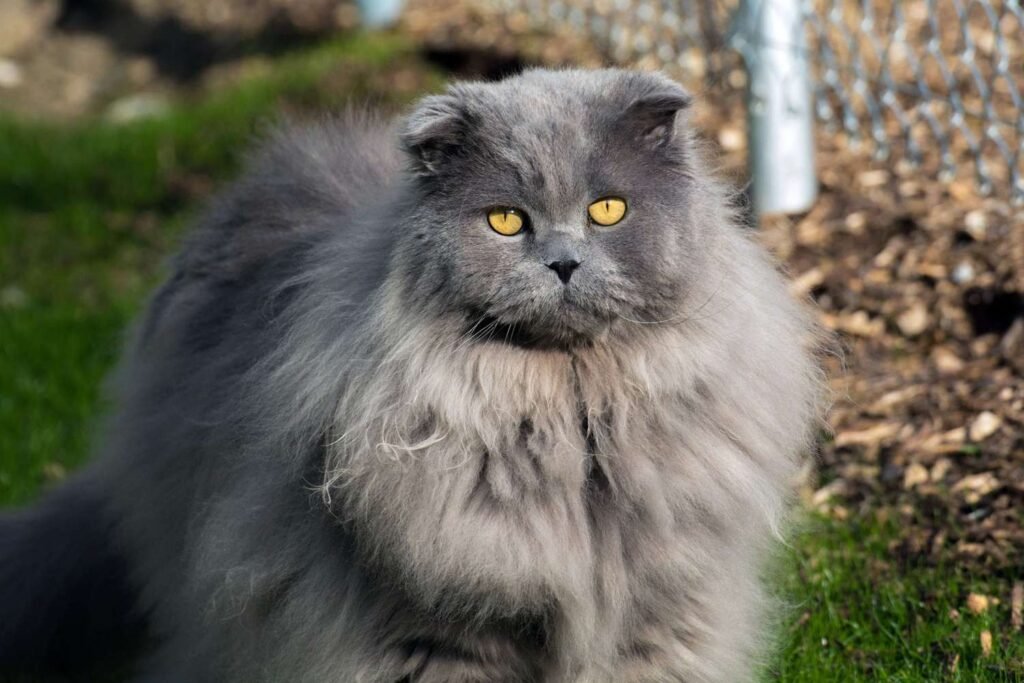
- Gray or blue: Soft gray fur with a smooth or fluffy texture.
- Orange tabby: Orange fur with distinctive stripes or markings.
- Calico: A combination of white, orange, and black patches.
- Tortoiseshell: A mixture of black and orange, sometimes with cream markings.
- Tabby: Striped, spotted, or swirling patterns in different colors.
- Tuxedo: A black-and-white coat that resembles formal clothing.
Their coats may be silky, thick, soft, or slightly coarse depending on their genetic background.
Body Size and Weight
Domestic Longhair cats vary in body size and weight. Many healthy adults weigh approximately 8–15 pounds (3.6–6.8 kg), although some may be smaller or larger.
Their body shape can range from slender and athletic to broad and sturdy. A cat’s ideal weight depends on its frame, age, sex, activity level, and overall health rather than its coat length.
Eyes, Ears, and Tail
These cats may have green, gold, amber, blue, or mixed-colored eyes. Their ears can be rounded or pointed, and some have attractive tufts of fur at the tips.
Their fluffy tails are often one of their most noticeable features. A long, well-maintained tail adds to their elegant appearance and helps with balance and communication.
Domestic Longhair Cat Lifespan
The average Domestic Longhair cat lifespan is generally around 12–18 years, although some cats live into their twenties with good care and favorable genetics.
Indoor cats often have longer lifespans than cats that spend significant time outdoors because they face fewer risks from traffic, predators, infectious diseases, and other environmental hazards.
Several factors can influence a Domestic Longhair cat’s life expectancy:
- Nutrition: A balanced diet supports healthy growth and body condition.
- Veterinary care: Routine checkups help identify health problems early.
- Dental hygiene: Dental disease prevention supports overall health.
- Exercise: Regular play helps maintain a healthy weight.
- Living environment: A safe indoor environment reduces accidents and exposure to disease.
- Genetics: Inherited traits can influence the risk of certain health conditions.
Providing fresh water, nutritious food, preventive veterinary care, and regular exercise can help your cat enjoy a healthier and more comfortable life.
Domestic Longhair Cat Personality and Temperament
The Domestic Longhair cat personality can vary considerably because these cats do not share one standardized breed temperament. Some are outgoing and affectionate, while others are shy, reserved, or highly independent.
Their behavior is influenced by genetics, early socialization, past experiences, and their home environment.
Affectionate and Loving
Many Domestic Longhair cats enjoy spending time with their owners. They may sit beside you on the couch, follow you from room to room, or curl up near you when they feel comfortable.
Some enjoy being held, while others prefer affection through gentle petting and companionship.
Playful and Curious
Domestic Longhair cats often enjoy interactive toys, feather wands, puzzle feeders, and climbing structures. Play provides mental stimulation and helps satisfy their natural hunting instincts.
Regular playtime can also strengthen the bond between a cat and its owner.
Independent Nature
Some long-haired domestic cats are comfortable entertaining themselves and spending time alone. However, independence does not mean they never need attention.
Providing toys, scratching posts, comfortable resting areas, and daily interaction can help prevent boredom.
Good Family Pets
Many Domestic Longhair cats can adapt well to families with children and other pets. Successful introductions, gentle handling, and supervised interactions are especially important when young children or unfamiliar animals are involved.
Every cat has its own preferences, so it is best to choose an individual cat based on its observed temperament rather than coat appearance alone.
Domestic Longhair Cat Grooming Requirements
Grooming is one of the most important aspects of caring for a Domestic Longhair cat. Their long fur can become tangled or matted, particularly around the ears, armpits, belly, hind legs, and tail.
A consistent grooming routine helps maintain a healthy coat and reduces loose hair around the home.
Brushing Long Hair
Brush your Domestic Longhair cat several times a week, ideally daily if its coat tangles easily or is particularly dense.
A suitable grooming routine may include:
- Use a cat-safe slicker brush or long-toothed comb.
- Work gently through small sections of fur.
- Pay extra attention to areas where mats commonly develop.
- Check the skin for redness, irritation, parasites, or unusual lumps.
- Reward your cat with treats and praise to make grooming more comfortable.
Never pull forcefully on tangled fur. Tight mats close to the skin may require professional grooming or veterinary assistance. Avoid using scissors to cut mats because a cat’s thin skin can easily be injured.
Bathing a Domestic Longhair Cat
Most cats do not need frequent baths because they groom themselves naturally. However, a bath may occasionally be necessary if the coat becomes heavily soiled or a veterinarian recommends it.
Use a shampoo specifically formulated for cats, and avoid getting water or shampoo into the eyes and ears. Introduce bathing gradually and stop if your cat becomes extremely distressed.
Managing Shedding and Hairballs
Domestic Longhair cats shed throughout the year, and shedding may increase during seasonal coat changes.
Regular brushing removes loose hair before the cat swallows it while grooming. This may help reduce hairballs, although it cannot eliminate them completely.
Frequent vomiting, repeated hairball episodes, constipation, or difficulty passing stool should be discussed with a veterinarian rather than automatically attributed to normal shedding.
Nail, Ear, and Dental Care
In addition to brushing the coat, owners should:
- Trim the nails as needed using cat nail clippers.
- Check the ears regularly for dirt, odor, redness, or discharge.
- Brush the teeth with cat-safe toothpaste when possible.
- Provide scratching posts to encourage natural scratching behavior.
A complete grooming routine supports skin health, comfort, and general well-being.
Domestic Longhair Cat Diet and Nutrition
A balanced diet is essential for maintaining healthy skin, a shiny coat, strong muscles, and an appropriate body weight.
Choose a complete and balanced cat food appropriate for your pet’s life stage. Kittens need food formulated for growth, while adult cats generally need adult maintenance food. Senior cats may benefit from a diet tailored to their individual health and nutritional requirements.
What Should a Domestic Longhair Cat Eat?
A healthy diet should include:
- High-quality animal protein: Supports muscle development and maintenance.
- Essential fatty acids: Help maintain healthy skin and coat condition.
- Taurine: An essential nutrient for cats that supports normal heart and eye function.
- Vitamins and minerals: Support normal body functions.
- Fresh drinking water: Helps maintain hydration and urinary health.
Wet food can contribute to daily water intake, while dry food may be convenient for some households. Either can be appropriate when it provides complete and balanced nutrition.
Portion Control and Healthy Weight
Follow the feeding guidance on your cat’s food packaging as a starting point, then adjust portions according to body condition, activity, age, and veterinary advice.
Avoid excessive treats and frequent table scraps. Obesity can increase the risk of diabetes, joint problems, and other health concerns.
If your cat gains or loses weight unexpectedly, consult a veterinarian to identify the underlying cause.
Common Domestic Longhair Cat Health Problems
Domestic Longhair cats are not associated with one universal set of breed-specific diseases because their ancestry varies. Nevertheless, they can experience many of the same health problems as other domestic cats.
Hairballs and Matted Fur
Loose hair can collect in the digestive tract when cats groom themselves. Regular brushing helps reduce the amount of fur they swallow.
Matted fur can pull on the skin, trap moisture, and cause discomfort. Preventive grooming is especially important for cats with thick undercoats.
Dental Disease
Dental plaque and tartar can lead to gum inflammation, bad breath, and painful dental disease. Regular veterinary dental examinations and home dental care can help reduce these problems.
Obesity
Indoor cats may gain weight if they eat more calories than they use. Maintaining appropriate food portions and providing daily play can help prevent obesity.
Skin Problems and Parasites
Fleas, mites, allergies, and skin infections may cause itching, hair loss, redness, or excessive grooming. Long fur can sometimes make these problems harder to notice.
Check your cat’s skin regularly and use veterinarian-recommended parasite prevention.
Urinary Tract Problems
Cats can develop urinary conditions, including bladder inflammation and urinary blockages. Repeated litter-box visits, straining, crying during urination, or blood in the urine require prompt veterinary attention.
Important: A cat that strains to urinate but produces little or no urine may have a life-threatening blockage and needs emergency veterinary care, especially if it is male.
Routine Veterinary Care
Schedule regular veterinary examinations, vaccinations, dental assessments, and parasite prevention according to your cat’s age, lifestyle, and local veterinary recommendations.
Spaying or neutering, microchipping, and maintaining a healthy body weight can also contribute to responsible long-term care.
How to Care for a Domestic Longhair Kitten
Domestic Longhair kittens need extra attention as they grow and develop. Early socialization and preventive care can help them become confident adult cats.
Important kitten-care tips include:
- Feed a complete kitten diet designed for growth.
- Provide clean water in an accessible bowl.
- Arrange veterinary examinations and age-appropriate vaccinations.
- Introduce gentle brushing gradually.
- Keep the kitten indoors in a safe, comfortable environment.
- Provide a clean litter box with easy access.
- Offer kitten-safe toys, scratching surfaces, and climbing opportunities.
- Introduce children and other pets slowly and under supervision.
Kittens should also have a quiet resting space where they can retreat when they feel tired or overwhelmed.
If you adopt a kitten from a shelter or rescue organization, ask for available vaccination records, deworming history, and information about its previous care.
Indoor vs. Outdoor Living for Domestic Longhair Cats
Domestic Longhair cats can adapt to different living environments, but keeping them indoors generally reduces exposure to several dangers.
Benefits of Indoor Living
Indoor cats are less likely to encounter traffic, predators, fights, infectious diseases, and some parasites. They are also less likely to become lost.
To keep an indoor cat happy, provide climbing trees, scratching posts, hiding places, interactive toys, and regular play sessions.
Safe Outdoor Enrichment
Some cats enjoy spending time outdoors. If you want to provide outdoor access, consider a secure catio, enclosed garden, or supervised harness training.
Avoid allowing your cat to roam freely in areas with heavy traffic or other significant hazards.
Long fur can also collect dirt, leaves, and plant material outdoors, making coat checks and brushing particularly important.
Domestic Longhair Cat vs. Domestic Shorthair Cat
The main difference between these two types of domestic cats is coat length. Neither name identifies a single pedigree breed.
| Feature | Domestic Longhair | Domestic Shorthair |
|---|---|---|
| Coat length | Long or semi-long | Short |
| Grooming needs | Usually higher | Usually lower |
| Shedding | Varies; loose fur may be more noticeable | Varies by individual |
| Coat colors | Many colors and patterns | Many colors and patterns |
| Personality | Depends on the individual cat | Depends on the individual cat |
| Ancestry | Mixed or unknown | Mixed or unknown |
Both types can make excellent companions. A Domestic Longhair may need more frequent brushing, but coat length alone does not determine whether a cat will be affectionate, playful, intelligent, or easy to train.
Domestic Longhair Cat vs. Maine Coon and Persian
Domestic Longhair cats are sometimes mistaken for specific long-haired pedigree breeds because they can have similar coats and facial features.
However, there are important differences.
Domestic Longhair vs. Maine Coon: Maine Coons are a recognized pedigree breed with established breed characteristics. Domestic Longhair cats may have a similarly fluffy coat or large body, but appearance alone does not confirm Maine Coon ancestry.
Domestic Longhair vs. Persian: Persian cats are known for their distinctive head shape, short muzzle, and dense coat. Domestic Longhair cats have much more variation in facial structure and body type.
Domestic Longhair vs. Ragdoll: Ragdolls are a recognized breed with characteristic coat patterns and established breed traits. A blue-eyed, fluffy domestic cat is not necessarily a Ragdoll.
If a cat’s pedigree is unknown, describing it as a Domestic Longhair is generally more accurate than assigning it a specific breed based on appearance alone.
Is a Domestic Longhair Cat Right for You?
A Domestic Longhair cat may be an excellent choice if you want a companion with an attractive coat and an individual personality.
These cats can suit many households, but prospective owners should consider their grooming needs, veterinary expenses, food costs, and long-term commitment.
A Domestic Longhair may be a good fit if you can:
- Provide regular brushing and coat maintenance.
- Offer a safe home and daily enrichment.
- Budget for food, litter, vaccinations, and veterinary care.
- Spend time building trust and providing companionship.
- Commit to caring for a cat throughout its lifetime.
If you prefer a pet that requires very little coat maintenance, a short-haired cat may be easier to manage. However, every cat has individual needs, and adopting an animal whose temperament suits your household is more important than choosing by appearance alone.
Frequently Asked Questions (FAQs)
1. What is a Domestic Longhair cat?
A Domestic Longhair is a domestic cat with long or semi-long fur and mixed or unknown ancestry. It is a coat-type classification rather than a specific pedigree breed.
2. How long do Domestic Longhair cats live?
Domestic Longhair cats commonly live around 12–18 years. Some live longer with appropriate nutrition, preventive veterinary care, a safe environment, and favorable genetics.
3. Are Domestic Longhair cats friendly?
Many are affectionate, playful, and sociable, but their temperament varies. Early socialization, individual personality, and previous experiences all influence how friendly a cat becomes.
4. Do Domestic Longhair cats shed a lot?
They can shed a noticeable amount, especially during seasonal coat changes. Brushing several times a week, or daily for coats that tangle easily, helps remove loose fur.
5. How often should I brush a Domestic Longhair cat?
Most benefit from brushing several times a week. Cats with dense or easily tangled coats may need daily brushing to prevent mats and maintain healthy fur.
6. Are Domestic Longhair cats hypoallergenic?
No cat can be guaranteed to be hypoallergenic. Allergens are produced mainly through proteins found in a cat’s saliva, skin, and other secretions, not simply through long fur. Individual reactions vary.
7. Are Domestic Longhair cats expensive to maintain?
Costs vary depending on location, food quality, veterinary services, and grooming needs. Their long coats may require additional grooming tools or professional assistance, especially when severe mats develop.
8. Can Domestic Longhair cats live indoors?
Yes. They can thrive indoors when they have proper nutrition, fresh water, clean litter, regular play, scratching posts, climbing spaces, and social interaction.
9. What is the difference between a Domestic Longhair and a Maine Coon?
A Maine Coon is a recognized pedigree breed with established physical characteristics. A Domestic Longhair is classified by its long coat and generally has mixed or unknown ancestry. Similar appearances do not prove shared breed ancestry.
10. Do Domestic Longhair cats need professional grooming?
Not always. Many can be maintained at home with regular brushing and basic nail care. Professional grooming may be helpful for severe tangles, difficult coats, or cats that cannot be safely groomed at home.
11. What is the best food for a Domestic Longhair cat?
The best food is a complete and balanced cat food suited to the animal’s age, body condition, and health needs. Adequate animal protein, essential nutrients, and access to fresh water are important.
12. Are Domestic Longhair cats good with children and other pets?
Many can live successfully with children and other animals. Introductions should be gradual, interactions should be supervised, and every animal should have a safe place to retreat.
Conclusion
The Domestic Longhair cat is a beautiful and versatile companion known for its fluffy coat, diverse colors, and individual personality. Although it is not a specific pedigree breed, it can offer all the affection, playfulness, and companionship that cat lovers appreciate.
Proper care includes regular brushing, balanced nutrition, fresh water, routine veterinary examinations, dental hygiene, and plenty of mental and physical enrichment. Because these cats have varied genetic backgrounds, their appearance, temperament, and health requirements can differ from one individual to another.
If you are prepared to meet their grooming needs and provide a safe, loving home, a Domestic Longhair cat can become a cherished member of your family for many years. With consistent care, patience, and attention to its individual needs, your fluffy feline companion can enjoy a healthy, comfortable, and happy life.