
Introduction
Calm cats are generally relaxed, comfortable, and confident in their surroundings. Cats are naturally sensitive animals, and their behavior can change depending on their environment, daily routine, health, and interactions with people. While some cats are naturally quiet and relaxed, others may become anxious because of loud noises, unfamiliar people, or sudden changes in their routine.
Understanding how to calm cats is important for every cat owner. A peaceful environment, regular playtime, proper nutrition, and positive interactions can help cats feel safe and comfortable. In this article, we will explore the characteristics of calm cats, common causes of feline stress, effective calming techniques, and practical tips for maintaining a happy and relaxed cat.
What Are Calm Cats?
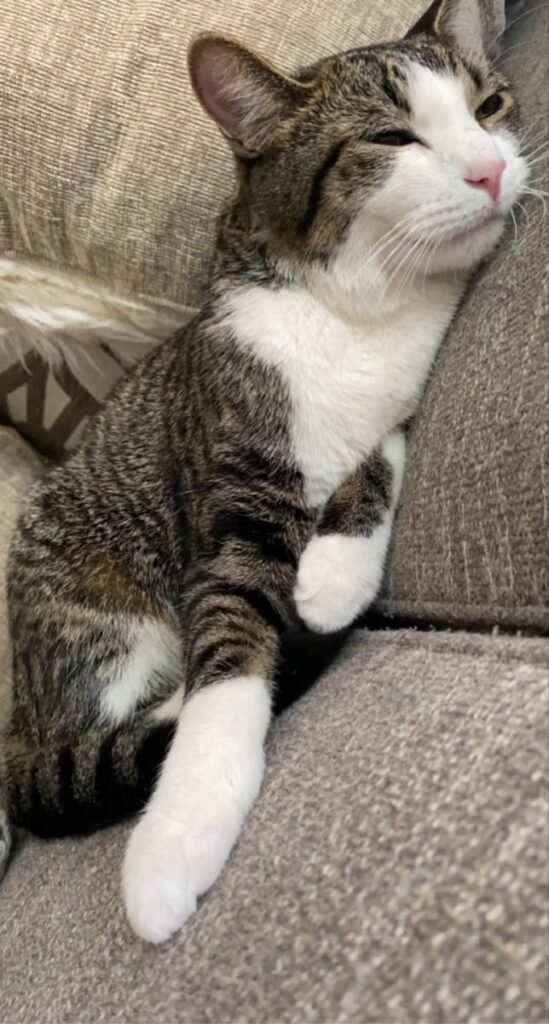
Calm cats are cats that feel secure and comfortable in their environment. They usually display relaxed body language, respond normally to everyday activities, and enjoy resting, exploring, or interacting with their owners.
A calm cat may show several positive behaviors, including:
- Relaxing with its body comfortably stretched out.
- Sleeping peacefully in a familiar place.
- Grooming normally.
- Eating and drinking regularly.
- Playing without showing excessive fear.
- Approaching familiar people voluntarily.
- Using the litter box consistently.
However, every cat has a unique personality. Some cats enjoy cuddling, while others prefer sitting nearby without physical contact. A cat does not need to be constantly affectionate or completely silent to be considered relaxed.
Why Is It Important to Keep Cats Calm?
Keeping cats calm supports their overall well-being. Stress can affect a cat’s behavior, appetite, sleep, and normal daily activities. A cat that feels safe is more likely to explore its surroundings, play, rest comfortably, and develop positive relationships with people.
A peaceful environment may also help reduce stress-related behaviors, such as hiding, excessive vocalization, scratching furniture, or avoiding the litter box.
It is important to remember that sudden behavioral changes may indicate pain or illness rather than ordinary anxiety. If your cat suddenly becomes unusually quiet, aggressive, fearful, or withdrawn, consult a veterinarian.
Common Reasons Cats Become Stressed
Understanding the causes of feline anxiety is the first step toward helping your pet relax.
1. Loud Noises
Vacuum cleaners, thunderstorms, fireworks, and other sudden noises can frighten sensitive cats. Providing a quiet room or a covered hiding place can help them feel protected.
2. Changes in Environment
Moving to a new home, rearranging furniture, introducing a new pet, or welcoming visitors can make cats feel uncertain. Gradual introductions and familiar bedding can make these changes easier.
3. Lack of Stimulation
Cats need opportunities to play, explore, climb, and express natural hunting behaviors. Boredom may contribute to restlessness or unwanted behavior.
4. Separation and Loneliness
Some cats become unsettled when their owners are away for long periods. Interactive toys, predictable routines, and comfortable resting areas can provide enrichment while the owner is absent.
5. Pain or Medical Problems
Dental disease, arthritis, urinary problems, and other medical conditions may cause discomfort or behavioral changes. A veterinary examination is important when stress-like behavior appears suddenly or persists.
How to Keep Your Cat Calm and Relaxed
There are several practical ways to help your cat feel safe and comfortable at home.
1. Create a Peaceful Environment
Provide a quiet area where your cat can rest without interruptions. A comfortable bed, familiar blanket, and safe hiding place can help reduce environmental stress.
Avoid forcing your cat to interact with visitors or other animals. Allow your pet to approach new people at its own pace.
2. Maintain a Consistent Routine
Cats often feel more secure when feeding, playing, and resting happen at predictable times. Try to maintain a regular daily schedule, especially during changes in the household.
Consistency can help reduce uncertainty and make everyday activities more comfortable.
3. Provide Regular Playtime
Interactive play is an excellent way to support a cat’s physical and mental health. Wand toys, toy mice, and puzzle feeders can encourage natural hunting and problem-solving behaviors.
Several short play sessions throughout the day may be more suitable than one long session. Always supervise toys that contain strings or small detachable parts.
4. Use Positive Reinforcement
Reward calm, confident behavior with treats, praise, or gentle interaction when your cat enjoys it. Positive reinforcement can help build trust and encourage desirable behaviors.
Never punish a frightened cat for hiding, hissing, or avoiding contact. Punishment may increase fear and make the situation worse.
5. Provide Safe Hiding Places
Cats often feel safer when they have somewhere to retreat. Cardboard boxes, covered beds, and quiet corners can provide useful hiding spaces.
In homes with multiple cats, provide separate resting areas and sufficient food, water, scratching posts, and litter boxes to reduce competition.
6. Try Cat-Friendly Calming Aids
Some cats may benefit from synthetic feline pheromone diffusers or sprays designed to support a calmer environment. Their effectiveness varies, and they are not a substitute for identifying the cause of stress.
Avoid giving your cat human anti-anxiety medication, sedatives, or essential oils without veterinary guidance. Some products that seem harmless to people can be dangerous to cats.
Best Activities for Calm Cats
Enrichment activities can help cats remain relaxed while satisfying their natural instincts.
- Interactive toys: Encourage movement and mental engagement.
- Scratching posts: Allow cats to scratch and stretch naturally.
- Window perches: Provide safe opportunities to watch birds and outdoor activity.
- Puzzle feeders: Make mealtime more engaging.
- Climbing trees: Offer exercise and elevated resting spaces.
- Gentle grooming: Help some cats relax when they enjoy being brushed.
Choose activities based on your cat’s age, health, and personality. Always allow your cat to stop an interaction when it shows signs of discomfort.
Signs Your Cat Is Relaxed and Happy
Recognizing relaxed body language can help you understand your cat’s emotional state.
Common signs include:
- Soft eyes and slow blinking.
- Ears resting in a natural position.
- A relaxed body posture.
- Normal eating and grooming habits.
- Comfortable sleeping in familiar spaces.
- Voluntary approaches and gentle social interaction.
- Playful behavior when appropriate.
Purring can occur when a cat is content, but it can also happen when a cat is uncomfortable or in pain. Always consider the full range of behavior rather than relying on one sign.
Calm Cats and Different Cat Breeds
Some cat breeds are often described as relatively laid-back, but individual personalities vary considerably. Early socialization, health, age, and environment all influence behavior.
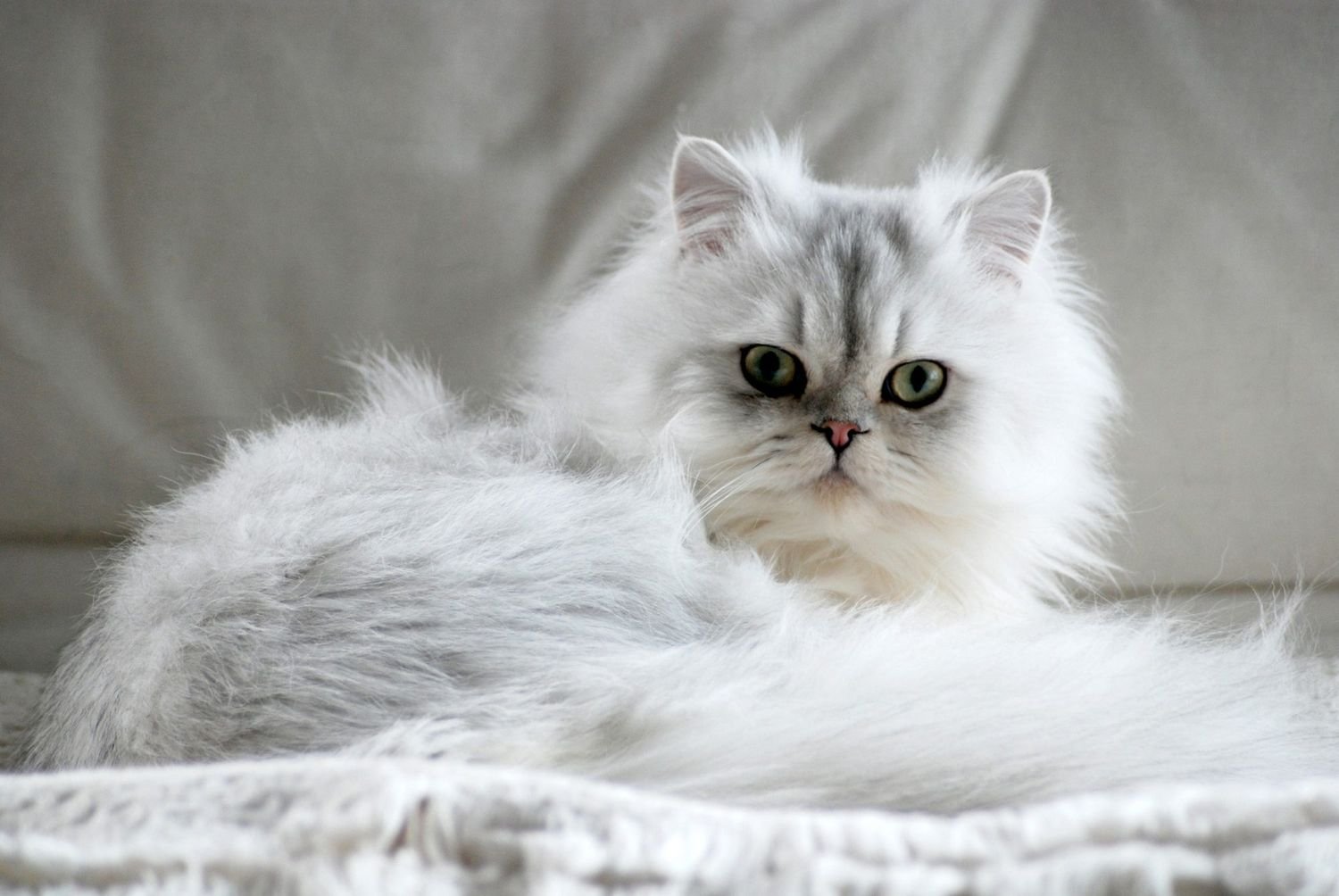
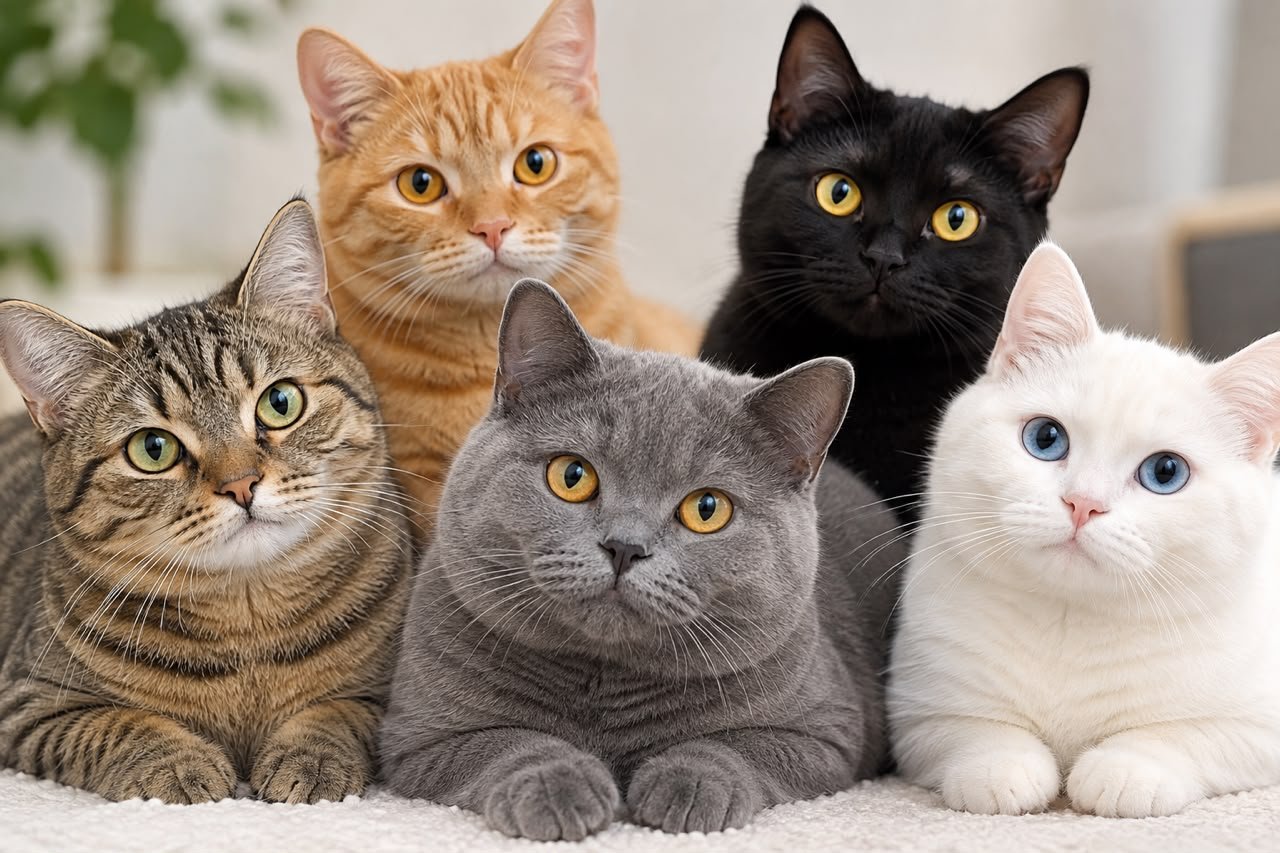
Breeds such as the British Shorthair, Ragdoll, and Persian are commonly associated with relaxed temperaments. However, no breed guarantees a calm personality, and every cat needs appropriate care, enrichment, and veterinary attention.
When choosing a cat, consider its individual temperament and activity needs rather than selecting a breed based only on its reputation for being calm.
When Should You Consult a Veterinarian?
Occasional nervousness is normal, especially during unfamiliar situations. However, persistent or severe anxiety may require professional help.
Contact a veterinarian if your cat:
- Stops eating or drinking normally.
- Hides for unusually long periods.
- Shows sudden aggression or extreme fear.
- Overgrooms or develops skin injuries.
- Urinates outside the litter box unexpectedly.
- Shows a significant change in sleeping or activity.
- Appears painful or unusually withdrawn.
If your cat repeatedly strains to urinate or cannot pass urine, seek emergency veterinary care, particularly if the cat is male. A urinary blockage can be life-threatening.
A veterinarian can assess potential medical causes and recommend an appropriate behavior plan or treatment if needed.

LSI Keywords for Calm Cats
The following semantically related keywords can support the article’s SEO relevance when used naturally throughout the content.
- How to calm a cat
- Calm cats at home
- Relaxed cats
- Cat anxiety
- Cat stress relief
- How to reduce cat stress
- Natural ways to calm cats
- Cat calming techniques
- Happy and healthy cats
- Relaxing environment for cats
- Signs of a relaxed cat
- Cat behavior and body language
- Cat mental stimulation
- Cat enrichment activities
- Calming products for cats
- Cat-friendly home
- Best toys for cats
- Cat separation anxiety
- Stress-free cats
- Calm cat breeds
- Feline emotional well-being
- Cat relaxation tips
- Indoor cat enrichment
- Positive reinforcement for cats
- Veterinary advice for cat anxiety
Use these keywords naturally. Avoid repeating them excessively, as keyword stuffing can negatively affect readability and SEO quality.
Frequently Asked Questions (FAQs)
1. How can I calm my cat quickly?
Move your cat to a quiet, familiar environment and provide a safe hiding place. Reduce loud noises, avoid forcing interaction, and allow your cat time to settle. If the distress is severe or unusual, contact a veterinarian.
2. What makes a cat feel calm and happy?
Cats often feel more secure with a predictable routine, comfortable resting places, clean litter boxes, fresh water, suitable food, interactive play, and positive interactions that respect their boundaries.
3. What are the signs of a calm cat?
Relaxed body posture, soft eyes, normal grooming, regular eating, comfortable sleep, and voluntary social interaction are common signs of a relaxed cat.
4. Are some cat breeds naturally calmer than others?
Some breeds, including British Shorthairs and Ragdolls, are often described as laid-back. However, personality varies between individual cats, and a cat’s environment, health, and experiences also influence its behavior.
5. Do calming diffusers work for cats?
Synthetic feline pheromone diffusers may help some cats feel more comfortable in stressful situations. Results vary, and they work best as part of a broader plan that addresses the cause of anxiety.
6. Can I give my cat medication to make it calm?
Never give your cat human medication or sedatives without veterinary guidance. A veterinarian can determine whether medication is appropriate and recommend a safe treatment based on your cat’s needs.
7. Why is my cat suddenly not behaving normally?
Sudden changes in behavior may be caused by stress, pain, illness, or environmental changes. If the behavior is unusual, persistent, or accompanied by changes in eating, drinking, or litter-box habits, arrange a veterinary examination.
8. How can I keep my indoor cat relaxed?
Provide daily playtime, climbing opportunities, scratching posts, window perches, hiding places, and a consistent routine. Make sure your cat has access to clean water, appropriate food, and a comfortable litter-box area.
9. Does petting help cats relax?
Many cats enjoy gentle petting, especially around the cheeks or head. Others prefer limited contact. Watch for signs of discomfort, such as a flicking tail, flattened ears, tense posture, or attempts to move away.
10. Can a cat become calmer with age?
Some cats become less active as they mature, but personality and activity levels vary. A sudden decrease in activity should not automatically be attributed to aging because pain or illness may be responsible.
Conclusion
Calm cats are more likely to feel safe, comfortable, and confident when their physical and emotional needs are met. Creating a peaceful environment, maintaining a consistent routine, providing daily enrichment, and using positive reinforcement can help reduce stress and support healthy feline behavior.
Every cat has a unique personality, so it is important to respect its preferences and recognize its body language. Avoid punishment and unapproved calming products, and seek veterinary advice when anxiety persists or behavior changes suddenly.
By understanding your cat’s needs and providing patient, consistent care, you can help your feline companion enjoy a happier, healthier, and more relaxed life.