

Taking care of a cat involves more than providing food and water. Cats need proper nutrition, clean surroundings, regular grooming, exercise, and routine veterinary checkups to live a healthy and happy life. Whether you are a first-time cat owner or an experienced pet parent, understanding the basics of cat care can help you provide the best possible environment for your feline companion.
In this complete guide, you will learn about cat nutrition, grooming, litter box maintenance, preventive healthcare, kitten care, and essential tips for responsible cat ownership.
What Is Cat Care?
Cat care refers to the daily activities and responsibilities involved in maintaining a cat’s physical health, mental well-being, and overall quality of life. It includes feeding a balanced diet, providing fresh water, keeping the litter box clean, maintaining coat health, and scheduling regular veterinary visits.
Proper feline care also involves understanding your cat’s behavior, providing mental stimulation, and creating a safe and comfortable living environment.
Whether you have a kitten, an adult cat, or a senior feline, consistent care can help prevent common problems and strengthen the bond between you and your pet.
1. Provide a Balanced and Nutritious Cat Diet
Proper nutrition is one of the most important aspects of cat health. Cats are obligate carnivores, which means they require nutrients naturally found in animal tissues to meet their dietary needs.
Choose a complete and balanced cat food appropriate for your pet’s age, health, and activity level.
Types of Cat Food
Dry cat food: Dry food is convenient to store and serve. However, cats should always have access to fresh water because dry food contains relatively little moisture.
Wet cat food: Canned or pouch-based cat food contains more moisture and may help increase your cat’s overall water intake.
Kitten food: Growing kittens need specially formulated food that supports development, energy requirements, and healthy growth.
Senior cat food: Older cats may benefit from diets tailored to their changing nutritional needs. The right choice depends on their individual health and veterinary advice.
How Often Should You Feed a Cat?
Feeding frequency depends on age, health, and lifestyle.
- Kittens generally need several small meals throughout the day.
- Healthy adult cats often do well with two or more measured meals daily.
- Senior cats may require adjustments based on appetite, dental health, and medical conditions.
Avoid overfeeding your cat, as excess calories can lead to obesity. Treats should be given in moderation and should not replace a balanced diet.
2. Keep Fresh Water Available
Hydration is essential for maintaining normal body functions and supporting urinary tract and kidney health.
Cats may drink more readily when water is fresh and placed away from their food and litter box. Some cats also enjoy drinking from a pet water fountain.
Tips for Keeping Your Cat Hydrated
- Replace drinking water daily or whenever it becomes dirty.
- Wash water bowls regularly.
- Provide multiple water stations if you have a large home.
- Consider wet cat food if appropriate for your pet.
- Monitor changes in drinking and urination habits.
If your cat suddenly drinks much more or less water than usual, contact a veterinarian. These changes can sometimes indicate an underlying health problem.
3. Maintain Proper Cat Grooming
Regular cat grooming helps keep your pet’s coat clean and allows you to check for skin problems, parasites, or unusual lumps.
Although cats groom themselves, many still benefit from brushing and occasional additional care.
Brushing Your Cat’s Fur
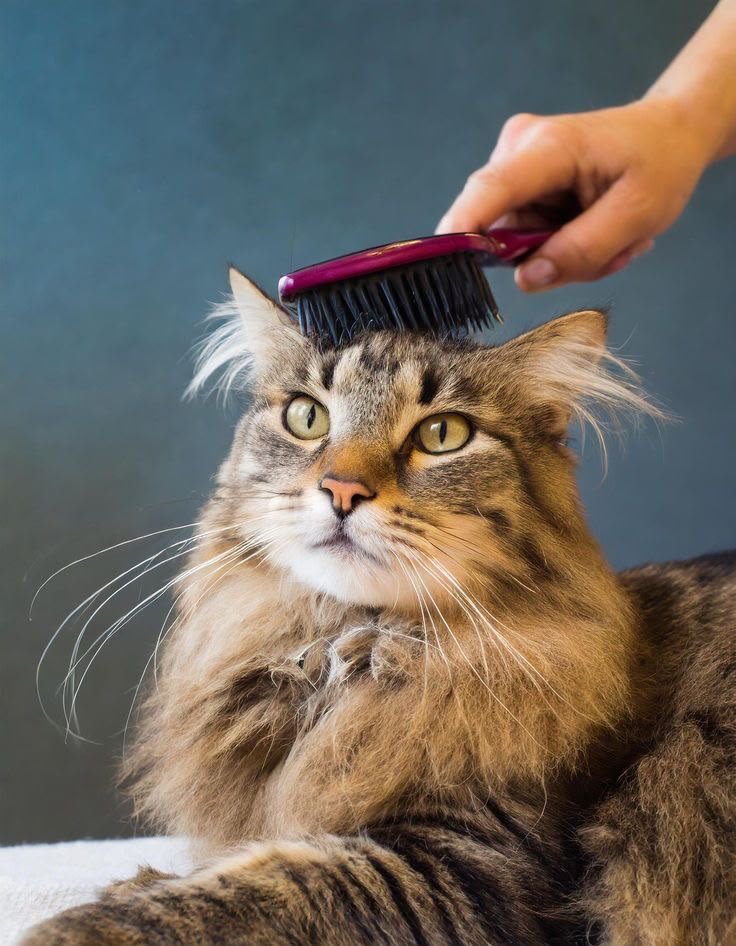
Long-haired cats often require daily brushing to reduce tangles and mats. Short-haired cats may need brushing once or several times a week, depending on shedding and coat condition.
Use a suitable brush and introduce grooming gradually, especially if your cat is nervous.
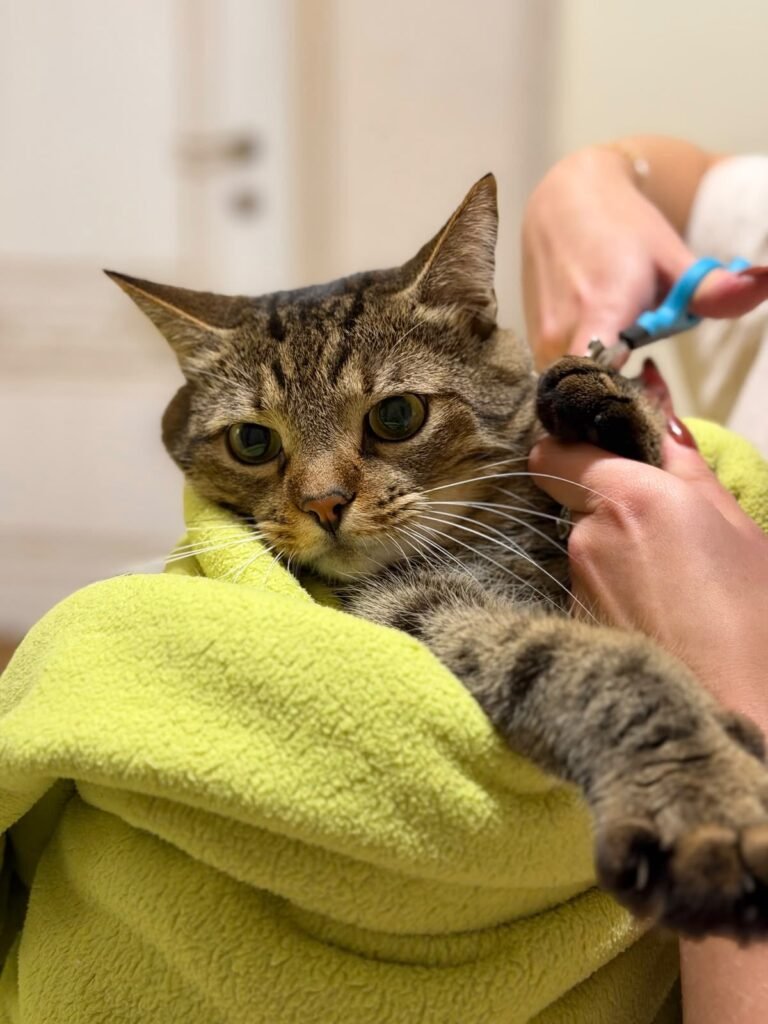
Nail Trimming
Indoor cats may need occasional nail trimming. Use cat-specific nail clippers and trim only the sharp tip, avoiding the sensitive pink area inside the nail.
If you are unsure how to trim your cat’s nails safely, ask a veterinarian or professional groomer to demonstrate.
Dental Hygiene
Dental care is another essential part of feline health. Plaque and tartar can contribute to gum disease and discomfort.
Use a cat-specific toothbrush and veterinary-approved toothpaste. Never use human toothpaste, as some ingredients can be harmful to cats.
Regular veterinary dental examinations can help identify problems early.
4. Keep the Litter Box Clean
A clean litter box supports good hygiene and encourages appropriate toileting behavior.
Most cats prefer a quiet, accessible location where they can use the litter box without disturbance.
Litter Box Maintenance Tips
- Scoop waste at least once daily.
- Replace litter as needed according to the product instructions and your cat’s habits.
- Wash the box regularly with mild, cat-safe cleaning products.
- Avoid placing the litter box next to noisy appliances.
- Provide enough litter boxes for your household.
A useful general guideline is one litter box per cat, plus one extra. For example, two cats will often benefit from three litter boxes.
If your cat suddenly stops using the litter box, do not assume it is misbehaving. Urinary problems, pain, stress, or litter box issues may be responsible.
Straining to urinate, repeatedly visiting the litter box, or producing little or no urine can indicate a medical emergency, especially in male cats. Seek urgent veterinary care.
5. Schedule Regular Veterinary Checkups
Preventive veterinary care is essential for detecting health problems early. Cats can hide signs of illness, so routine examinations are important even when your pet appears healthy.
Essential Cat Healthcare
Vaccinations: Your veterinarian can recommend core and other vaccines based on your cat’s age, lifestyle, location, and exposure risks.
Parasite prevention: Fleas, ticks, and intestinal worms can affect feline health. Use only products suitable for cats and recommended by a veterinary professional.
Spaying or neutering: These procedures can help prevent unwanted litters and provide certain health and behavioral benefits. Discuss the appropriate timing with your veterinarian.
Dental examinations: Regular checks help identify gum disease, damaged teeth, and oral discomfort.
Weight monitoring: Maintaining a healthy body weight reduces the risk of obesity-related problems.
Signs Your Cat May Need Veterinary Attention
Contact a veterinarian if you notice persistent vomiting, diarrhea, appetite changes, unusual tiredness, unexplained weight loss, breathing difficulties, or significant changes in behavior.
Difficulty breathing, collapse, suspected poisoning, and inability to urinate require urgent veterinary attention.
Never give your cat human medication unless a veterinarian specifically directs you to do so.
6. Provide Exercise and Mental Stimulation
Cats need opportunities to express natural behaviors such as hunting, climbing, scratching, exploring, and playing.
Indoor cats can remain physically active and mentally stimulated when their environment offers enough enrichment.
Ways to Keep Your Cat Active
- Use interactive toys such as wand toys.
- Provide scratching posts and sturdy climbing trees.
- Offer puzzle feeders and food-dispensing toys.
- Create comfortable window-viewing spots.
- Rotate toys to maintain interest.
- Schedule short, regular play sessions.
Interactive play can also strengthen the relationship between you and your cat.
Always supervise toys that contain strings, ribbons, feathers, or small detachable parts, as these can present choking or ingestion risks.
7. Create a Safe and Comfortable Home
A cat-friendly home should provide safe resting areas, clean facilities, and opportunities for play and exploration.
Cats often feel more secure when they have access to hiding places and elevated resting spots.
Indoor Cat Safety Tips
- Keep toxic plants and dangerous chemicals out of reach.
- Secure windows and balconies with appropriate protective screens.
- Store medicines and cleaning products safely.
- Keep electrical cords and small swallowable objects inaccessible.
- Provide a comfortable bed in a quiet area.
- Use a secure carrier for veterinary visits.
Indoor living can reduce exposure to traffic, fights, and certain infectious diseases. If you allow outdoor access, consider secure enclosures or supervised harness walks where suitable.
8. Understand Your Cat’s Behavior
Understanding feline body language can help you recognize your cat’s needs and reduce stress.
Cats communicate through their ears, tails, posture, facial expressions, and vocalizations.
Common Cat Behaviors
Purring: Cats may purr when content, but they can also purr when stressed or uncomfortable.
Kneading: Some cats press their paws rhythmically against soft surfaces, often when relaxed.
Scratching: Scratching is a natural behavior that helps cats maintain their claws and mark territory. Provide suitable scratching surfaces instead of punishing the behavior.
Hiding: Cats may hide when frightened or adjusting to a new environment. Sudden or prolonged hiding, especially with other symptoms, deserves attention.
Excessive meowing: Changes in vocalization may reflect hunger, stress, discomfort, or age-related changes.
Avoid punishment and shouting. Positive reinforcement, patience, and a predictable routine are usually more effective for encouraging desired behavior.
9. Special Care for Kittens
Kittens need additional attention because they are growing rapidly and learning how to interact with their environment.
If you adopt a kitten, arrange a veterinary examination and discuss vaccination, parasite prevention, nutrition, and appropriate identification.
Kitten Care Essentials
- Feed complete kitten-formulated food.
- Provide fresh water in an accessible bowl.
- Introduce the litter box early.
- Offer safe toys and supervised play.
- Socialize your kitten gently with people and everyday household sounds.
- Keep small objects, cords, and toxic substances out of reach.
Young kittens can be vulnerable to illness, dehydration, and temperature changes. Contact a veterinarian promptly if a kitten refuses food, becomes unusually weak, develops repeated diarrhea, or shows other concerning symptoms.
10. Senior Cat Care Tips
As cats age, their mobility, appetite, senses, and medical needs may change. Senior cats benefit from a comfortable environment and veterinary care tailored to their individual condition.
How to Care for an Older Cat
- Provide soft, warm resting areas.
- Use low-entry litter boxes when mobility is limited.
- Place food and water where they are easy to reach.
- Consider ramps or steps to favorite resting places.
- Monitor body weight, appetite, thirst, and mobility.
- Arrange veterinary checkups at a frequency recommended for your cat.
Arthritis, dental disease, kidney problems, and other conditions can become more common with age. Early evaluation may improve comfort and quality of life.
11. Common Cat Care Mistakes to Avoid
Even caring owners can make mistakes without realizing it. Avoiding the following problems can help support your cat’s long-term health.
- Overfeeding: Too many calories can cause unhealthy weight gain.
- Ignoring dental care: Oral disease may cause pain and difficulty eating.
- Skipping veterinary visits: Some illnesses develop without obvious early symptoms.
- Using dog products on cats: Certain flea and tick treatments intended for dogs can be highly toxic to cats.
- Neglecting litter box hygiene: Dirty or inaccessible boxes may lead to toileting problems.
- Ignoring behavioral changes: A sudden change in routine, appetite, or activity can signal stress or illness.
- Leaving cats without enrichment: Boredom can contribute to inactivity and unwanted behavior.
Good cat ownership involves consistent routines, observation, and seeking professional advice when needed.
Frequently Asked Questions (FAQs)
1. How do I take care of a cat for beginners?
Start with a balanced diet, fresh water, a clean litter box, regular veterinary visits, daily play, and a safe indoor environment. Learn your cat’s normal eating, sleeping, and toileting habits so you can recognize changes.
2. How many times a day should I feed my cat?
Most healthy adult cats do well with two or more measured meals daily, although individual needs vary. Kittens generally need more frequent meals. Follow the feeding guidance on a complete cat food and ask your veterinarian about the right amount for your pet.
3. How often should I bathe my cat?
Most healthy cats do not need regular baths because they groom themselves. Bathing may be necessary for specific medical or hygiene reasons, but the frequency depends on the cat’s coat and condition. Use only cat-safe products.
4. What is the best food for cats?
The best cat food is complete and balanced for your cat’s life stage and health. Cats require nutrients found in animal-based foods, including taurine. Consult your veterinarian if your cat has allergies, a chronic illness, or special
5. How often should a cat visit the vet?
Healthy adult cats generally benefit from at least annual veterinary examinations. Kittens, senior cats, and cats with health conditions may need more frequent visits. Your veterinarian can recommend an appropriate schedule.
6. How can I keep my indoor cat happy?
Provide daily interactive play, scratching posts, climbing structures, hiding spots, puzzle feeders, and comfortable resting areas. A predictable routine and positive interaction also help support your cat’s emotional well-being.
7. How do I know if my cat is sick?
Warning signs may include reduced appetite, vomiting, diarrhea, weight loss, unusual tiredness, changes in drinking or urination, and hiding more than usual. Contact a veterinarian if symptoms persist or concern you. Breathing difficulty or inability to urinate requires urgent care.
8. How often should I clean my cat’s litter box?
Remove waste at least once daily and maintain the litter according to the product instructions. Wash the box regularly and ensure it is easy for your cat to access.
9. Can cats drink milk?
Many adult cats have difficulty digesting lactose and may develop diarrhea or stomach discomfort after drinking cow’s milk. Fresh water is the best everyday drink for most cats.
10. How can I keep my cat’s fur healthy?
Brush your cat according to its coat type, provide a nutritionally complete diet, and monitor the skin for irritation, parasites, or unusual hair loss. Contact a veterinarian if coat changes occur alongside itching or other symptoms.
Conclusion
Proper cat care is essential for helping your feline companion live a healthy, comfortable, and happy life. From providing nutritious cat food and fresh water to maintaining litter box hygiene, grooming regularly, and arranging veterinary checkups, every aspect of daily care matters.
Cat owners should also focus on exercise, mental stimulation, home safety, and understanding feline behavior. Kittens, adult cats, and senior cats have different needs, so their care routines should be adjusted accordingly.
By following these cat care tips and paying attention to changes in your pet’s health and behavior, you can build a stronger bond with your cat and support its well-being for years to come. Responsible cat ownership starts with patience, consistency, and a commitment to meeting your pet’s individual needs.