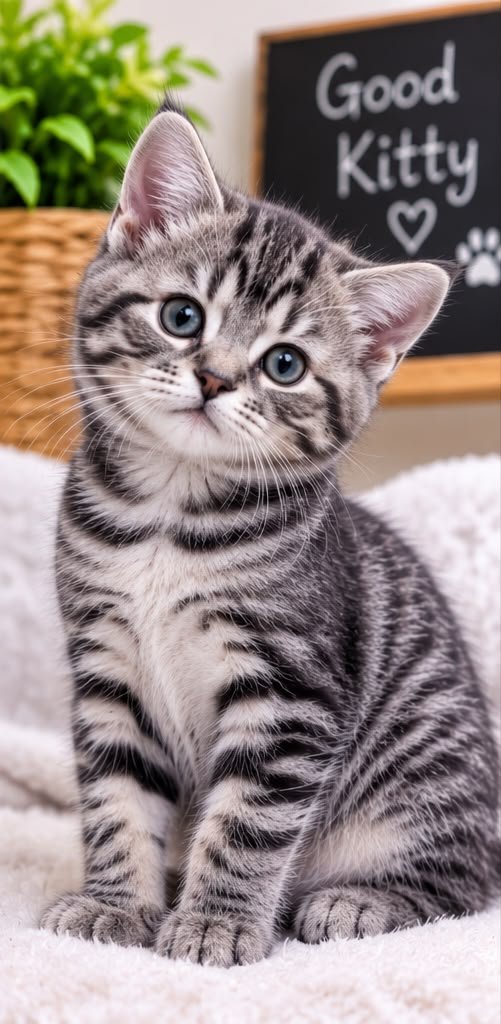
is a beautiful feline known for its soft gray coat, distinctive stripes, and charming appearance. These cats are popular among pet lovers because their coats feature unique markings that range from narrow stripes to bold swirls and delicate spots. can have short or long fur, bright green or golden eyes, and a wide variety of personalities.
If you are interested in learning more aboutthis complete guide covers their colors, patterns, personality traits, genetics, health, grooming, and care requirements. Whether you already own a gray tabby kitten or are thinking about adopting one, understanding these cats can help you provide the best possible care .
What Is a Gray Tabby Cat?
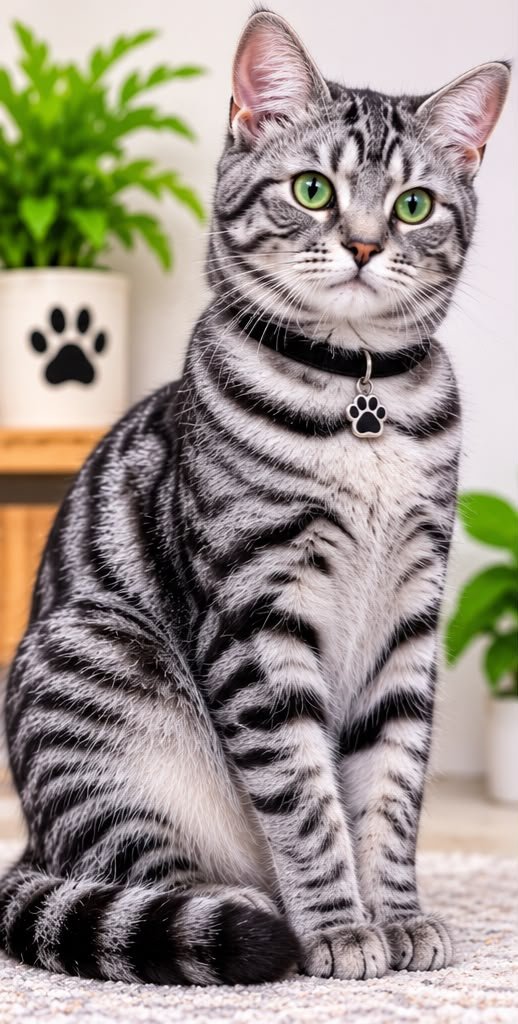
A gray tabby cat is a cat with a gray or blue-gray coat featuring darker tabby markings. These markings may appear as stripes, swirls, spots, or bands of color. The term gray tabby describes a coat color and pattern rather than a specific cat breed.
Gray tabby cats can be found among domestic shorthair and domestic longhair cats, as well as several pedigreed breeds. Their coats may range from pale silver-gray to deep charcoal gray, depending on their genetics.
One of the most recognizable features of many is an M-shaped marking on the forehead. They may also have dark lines around their eyes, striped legs, and ringed tails.
Different Types of Gray Tabby Cat Patterns
Gray tabby cats can display several different coat patterns. Each pattern gives the cat a distinctive appearance.
1. Classic Gray Tabby Cat
The classic gray tabby has broad, swirling markings across its sides. These patterns often resemble marble or circular designs, creating an attractive contrast between the lighter gray background and darker markings.
Classic gray tabbies may also have thick stripes around their legs and rings on their tails. Their bold markings make them easy to recognize.
2. Mackerel Gray Tabby Cat
Mackerel gray tabbies have narrow, vertical stripes running along their bodies. These stripes resemble the bones of a fish, which is why the pattern is called mackerel.
Many mackerel gray tabbies have a dark stripe along the spine, with thinner stripes extending down their sides. This is one of the most familiar tabby patterns.
3. Spotted Gray Tabby Cat
Spotted gray tabby cats have spots instead of continuous stripes or large swirls. Their spots may be small and round or elongated, depending on the cat’s genetic background .
Some cats have clearly separated spots, while others have broken stripes that create a spotted appearance .
4. Ticked Gray Tabby Cat
Ticked gray tabbies have individual hairs with alternating bands of light and dark pigment. Their coats can appear finely textured, with fewer obvious stripes across the body.
Although their bodies may look almost solid gray from a distance, subtle markings can sometimes be seen on their faces, legs, and tails.
5. Silver Gray Tabby Cat
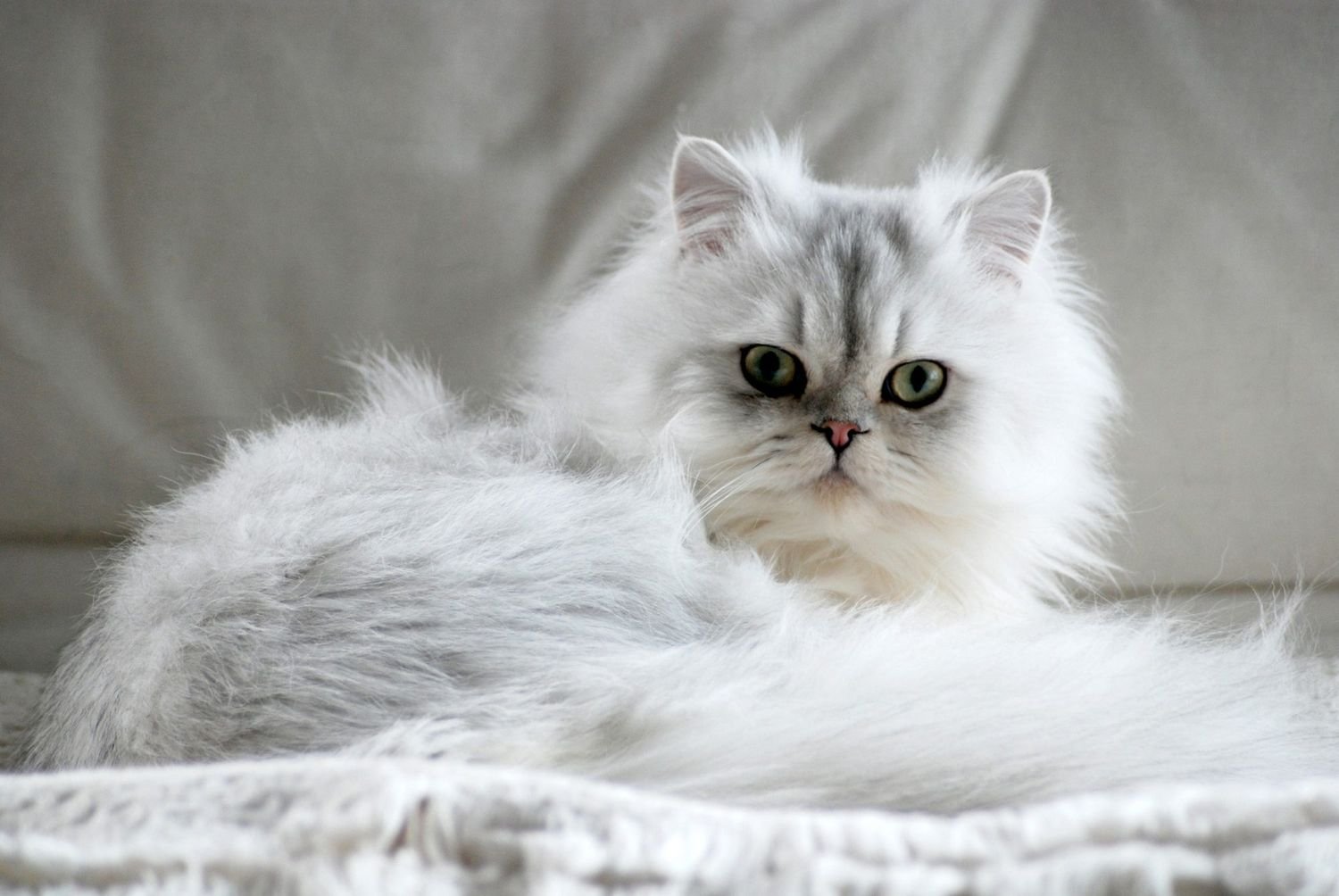
Silver gray tabbies have a pale silver or nearly white background with darker gray or black markings. The contrast between the background and markings often gives these cats a striking appearance.
Silver tabby coloration is found in several breeds and domestic cats, and the exact shade depends on inherited coat-color genes.
Gray Tabby Cat Colors and Appearance
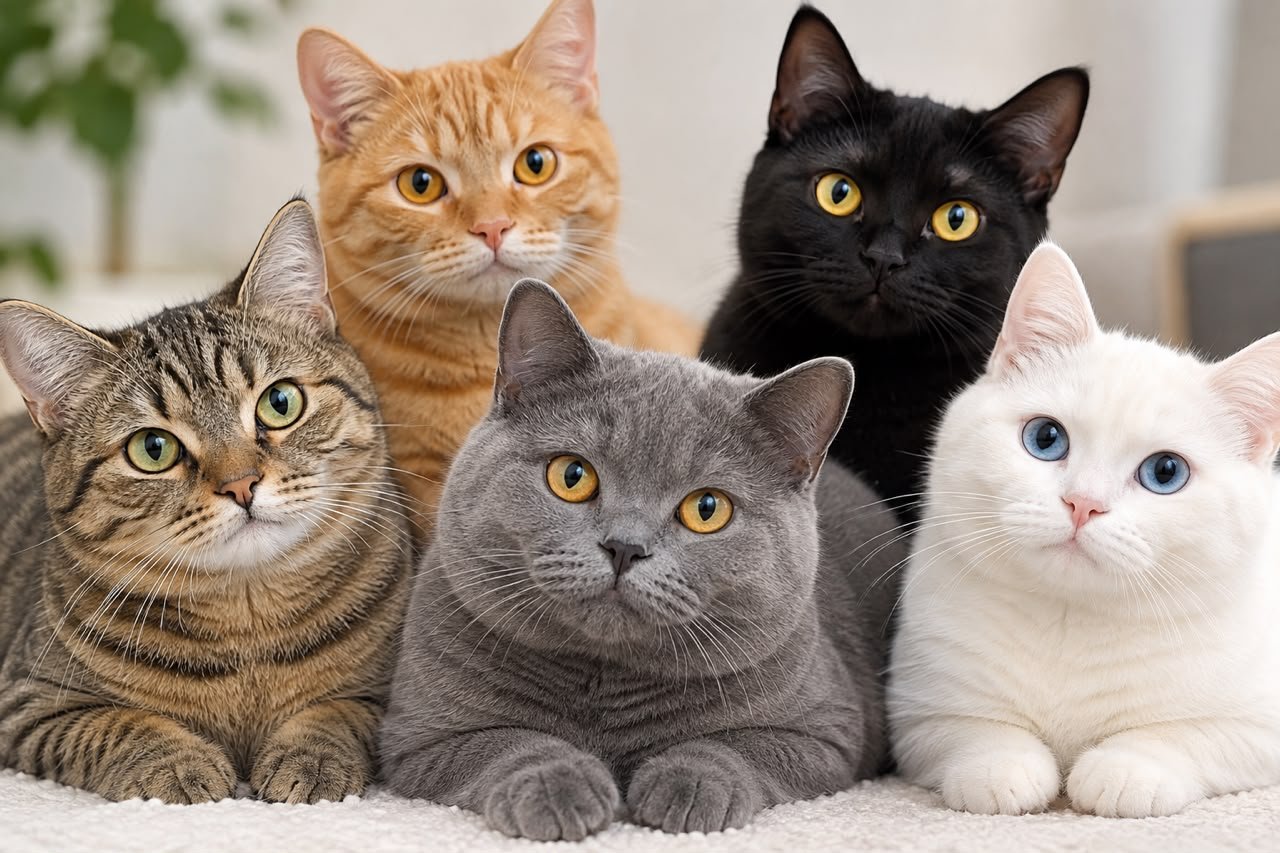
Gray tabby cats are not all the same shade. Their coats can display a range of gray tones and markings.
- Light gray tabby: Features a pale gray background with soft, darker markings.
- Dark gray tabby: Has a deeper gray coat with prominent charcoal stripes or swirls .
- Silver tabby: Displays a light, silvery background with dark markings .
- Blue-gray tabby: Has a cool gray shade commonly described as blue in cat-breed terminology .
- Gray and white tabby: Combines gray tabby markings with white fur on the chest, paws, face, or belly .
These variations make each gray tabby cat unique. The appearance of the coat may also change slightly with age, seasonal shedding, and lighting .
What Causes the Gray Tabby Coat?
Gray tabby coloration is influenced by genetics. Genes determine the type of pigment in a cat’s fur, how much pigment is produced, and how the markings are distributed.
Black-based pigmentation can be diluted by a particular genetic variant, producing a softer blue-gray appearance. Additional genes influence the tabby pattern, creating stripes, swirls, spots, or ticked hairs .
The agouti gene plays an important role in the banding of pigment along individual hairs. Other genetic factors help determine the arrangement and appearance of tabby markings .
Gray tabby coloration can occur in both male and female cats. Unlike orange coloration, gray coat color is not strongly associated with one sex.
Gray Tabby Cat Personality and Temperament
Gray tabby cats are often described by their owners as affectionate, playful, curious, and intelligent. Some enjoy following their humans around the house, while others prefer watching the world from a comfortable window.
However, gray tabby cats do not have one specific personality simply because of their coat color and pattern. Their temperament depends on genetics, socialization, environment, health, and individual experiences.
Common behaviors that some gray tabby owners enjoy include:
- Exploring new rooms and objects.
- Playing with interactive toys.
- Climbing cat trees and scratching posts.
- Resting in sunny spots.
- Seeking attention from familiar people.
Every cat is different, so it is best to get to know an individual cat rather than assume its personality from its appearance .
Gray Tabby Cat Breeds
Gray tabby markings can occur in many cat breeds and mixed-breed cats. Some breeds are particularly well known for having gray or siver .
Domestic Shorthair
Domestic shorthair cats come in many colors and patterns, including gray tabby. They are not a single standardized breed but a diverse group of shorthaired domestic cats.
British Shorthair
British Shorthairs are known for their plush coats and rounded faces. Some have tabby patterns, including gray and silver variations, although solid blue-gray is especially associated with the breed .
American Shorthair
American Shorthairs can display classic, mackerel, and other tabby patterns. Their sturdy bodies and variety of coat colors make them recognizable companion cats .
Maine Coon
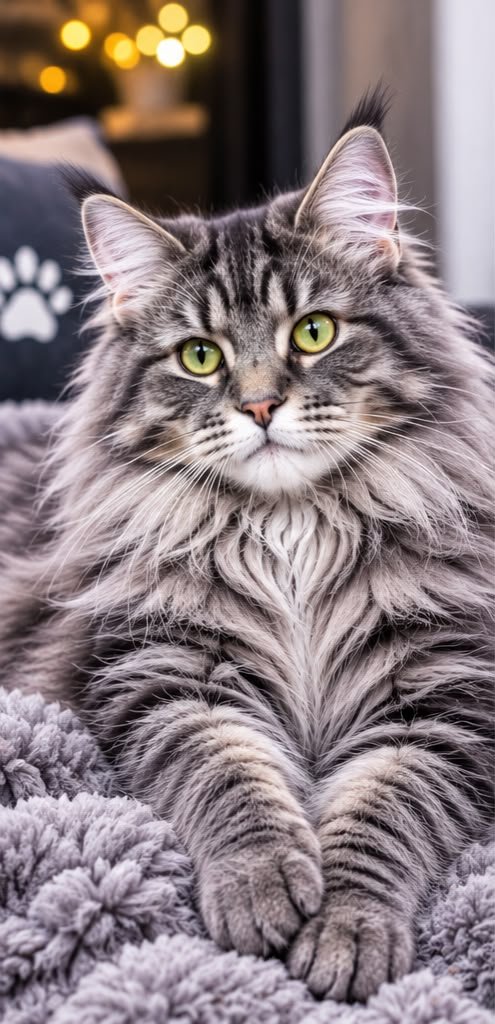
Maine Coons have long, thick coats and large bodies . Gray tabby Maine Coons may feature bold stripes, swirls, or other tabby markings .
Norwegian Forest Cat
Norwegian Forest Cats have dense, weather-resistant coats and can appear in numerous colors and patterns, including gray tabby.
A gray tabby coat alone does not prove that a cat belongs to any particular breed. Many mixed-breed cats have the same beautiful markings.
Gray Tabby Kitten: What to Expect
Gray tabby kittens are often born with visible markings that become more noticeable as their coats develop. Their eye color may also change during early development.
Kittens need a safe environment, age-appropriate food, fresh water, regular veterinary examinations, and plenty of opportunities for gentle play.
If you adopt a gray tabby kitten, provide a comfortable sleeping area, a clean litter box, scratching surfaces, and toys that encourage healthy activity. Gradual socialization can also help a kitten become comfortable with people and its surroundings.
Gray Tabby Cat Care and Grooming
Gray tabby cats need the same basic care as other cats. Their coat pattern does not require special treatment,Gray Tabby Cat but grooming needs vary depending on fur length G .
Grooming
Shorthaired gray tabbies usually benefit from brushing about once a week, while longhaired cats may need brushing several times a week to prevent tangles and mats Gray Tabby Cat.
Nutrition
Feed your cat a complete and balanced diet appropriate for its age and health. Kittens, adults, and senior cats may have different nutritional requirements.
Exercise and Play
Interactive toys, Gray Tabby Cat climbing structures, and scratching posts can help your gray tabby stay active and mentally stimulated.
Veterinary Care
Schedule regular veterinary checkups and follow recommendations for vaccinations Gray Tabby Cat , parasite prevention, dental care, and other preventive health measures .
Coat and Skin Health
Check your cat’s coat for unusual shedding , bald patches , redness Gray Tabby Cat, or itching. Consult a veterinarian if you notice sudden or persistent changes .
Common Health Considerations for Gray Tabby Cats
Gray tabby cats do not have a unique set of health problems simply because of their coat color. Their health risks depend more on breed, age, genetics, lifestyle, and overall care.
Routine veterinary examinations can help identify health concerns early. Maintaining a healthy weight, providing appropriate nutrition, and encouraging daily activity are also important.
If your suddenly becomes less active, stops eating, develops breathing difficulties, or shows other concerning symptoms, contact a veterinarian promptly.
Are Gray Tabby Cats Rare?
Gray tabby cats are not generally considered rare. Gray coloration and tabby patterns occur in many domestic cats and several pedigreed breeds.
However, a particular shade or combination of markings may be less common in a specific breed. For example, a cat with a very pale silver background and sharply defined dark markings may look distinctive, even though overall are common.
Their popularity comes from their attractive coat patterns and the wide range of appearances they can have.
LSI Keywords for Gray Tabby Cat
Use the following related keywords naturally throughout your article to improve topical coverage and help search engines understand the subject
- Grey tabby cat
- Gray tabby kitten
- Silver
- Dark
- Light
- Gray striped cat
- Gray and white tabby cat
- Gray tabby cat breeds
- Gray tabby cat personality
- Gray tabby coat colors
- Gray tabby cat genetics
- Blue
- Mackerel gray tabby
- Classic gray tabby
- Spotted gray tabby
- Ticked gray tabby
- Gray tabby cat care
- Gray tabby cat grooming
- Gray tabby kitten development
- Domestic shorthair gray tabby
- Silver tabby markings
- Tabby cat coat patterns
- How to identify a gray tabby cat
Frequently Asked Questions (FAQs)
1. What is a gray tabby cat?
A has gray or blue-gray fur with darker markings arranged in stripes, swirls, spots, or bands. Gray tabby describes a coat color and pattern, not a specific breed.
2. Are gray tabby cats rare?
No, gray tabby cats are relatively common. They can be found among domestic cats and several pedigreed breeds.
3. What is the personality of a gray tabby cat? may be playful, affectionate, curious, or independent. However, personality varies from cat to cat and is not determined by coat color alone.
4. What breeds can have gray tabby patterns?
Gray tabby patterns can appear in domestic shorthairs, domestic longhairs, American Shorthairs, Maine Coons, Norwegian Forest Cats, and several other breeds.
5. Are gray tabby cats always gray?
Their main coat color is gray or blue-gray, but they may also have white patches, silver backgrounds, or darker charcoal markings.
6. How long do gray tabby cats live?
Their lifespan depends on genetics, health, environment, and veterinary care. Many well-cared-for domestic cats live into their teens, and some live into their twenties.
7. Do gray tabby cats have an M on their forehead?
Many gray tabby cats have an M-shaped forehead marking, which is a common feature of the tabby pattern. Its shape and visibility can vary.
8. Are gray tabby cats good pets?
Yes, gray tabby cats can make wonderful companions. Their suitability depends on their individual temperament, socialization, health, and compatibility with the household.
9. Do gray tabby kittens change color as they grow?
Their coat shade and markings may become more noticeable as they mature. Seasonal shedding and lighting can also affect how the fur appears, although the underlying genetic pattern generally remains the same.
10. What is the difference between a gray cat and a gray tabby cat?
A solid gray cat has a coat that appears mostly uniform in color, while a gray tabby cat has recognizable markings such as stripes, spots, or swirls.
Conclusion
Gray tabby cats are beautiful felines known for their gray coats, distinctive markings, and wide variety of appearances. From classic gray tabbies with swirling patterns to mackerel tabbies with narrow stripes and silver tabbies with striking contrasts, each cat has its own unique look.
Although can be found in many breeds, the term describes a coat pattern rather than a specific breed or personality type. Understanding their genetics, grooming needs, nutrition, and general health requirements can help owners provide better care.
Whether you are adopting a gray tabby kitten or already sharing your home with an adult cat, regular veterinary care, balanced nutrition, daily play, and affection will help your feline companion thrive.