
Cat Colors and Patterns
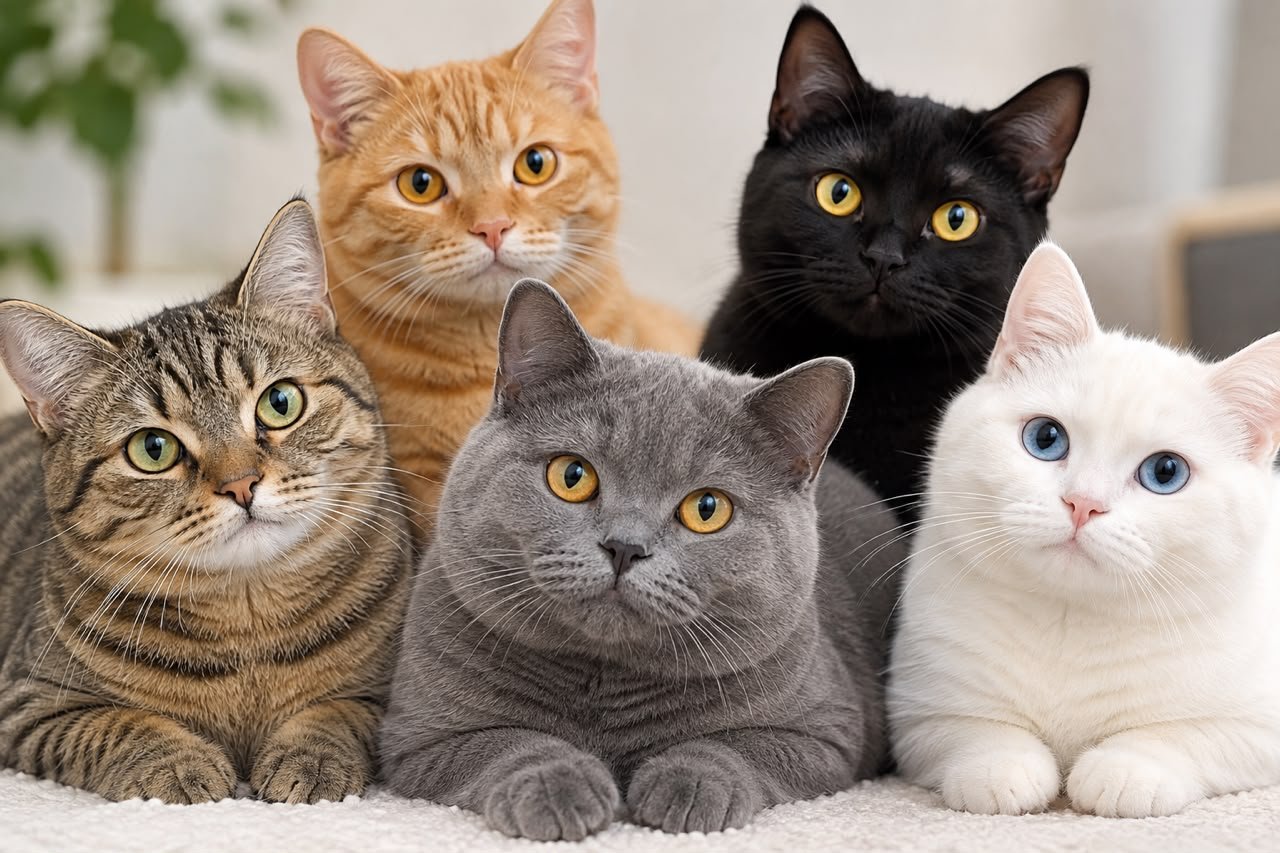
Cats come in a wide variety of beautiful colors and patterns, making every cat unique. From solid black and pure white cats to orange tabbies, calico cats, and colorpoint breeds, feline coats display an amazing range of shades and markings. Understanding cat colors and patterns can help cat lovers learn more about their pets’ appearance, genetics, and breed characteristics.
In this guide, we will explore the most common cat coat colors, popular patterns, the genetics behind feline fur, and frequently asked questions about cat colors.
What Are Cat Colors and Patterns?
Cat colors refer to the shades of a cat’s fur, while patterns describe how those colors are distributed across the coat. For example, a cat may have black fur with a solid pattern or gray fur with tabby stripes.
Cat coat colors and patterns are influenced by genetics. Different combinations of genes determine whether a cat has black, white, orange, cream, brown, or gray fur and whether its coat features stripes, spots, patches, or color points.
Common Cat Colors
1. Black Cats
Black cats have dark coats that may appear completely black or show subtle brown highlights in sunlight. Their sleek appearance makes them one of the most recognizable cat color varieties.
Cat Colors and Patterns Black coats are commonly found in domestic shorthair and longhair cats, as well as certain pedigreed breeds.
2. White Cats
White cats have coats that appear entirely white. Some have blue eyes, green eyes, or gold eyes, while others have two different eye colors.
White fur can result from different genetic mechanisms, including genes associated with white spotting and dominant white coloration. Some white cats, particularly those with blue eyes, have an increased risk of congenital hearing loss.
3. Orange Cats
Orange cats, sometimes called ginger or red cats, have coats ranging from pale orange to deep reddish-orange. Many orange cats display tabby markings.
The gene responsible for orange coloration is linked to the X chromosome, which is one reason orange cats are more commonly male than female.
4. Gray Cats
Gray cats are often described as blue cats in breed terminology. Their coats can range from light silver-gray to deep slate gray.
Gray coloration is commonly associated with a genetic dilution of black pigment.Cat Colors and Patterns Breeds such as the Russian Blue and Chartreux are well known for their blue-gray coats.
5. Brown Cats
Brown cats may have warm chocolate, cinnamon, or dark brown coats. These shades can occur in several breeds and domestic cats.
Chocolate and cinnamon are specific genetic color varieties, while brown tabby cats may display a mixture of brown fur and darker markings.
6. Cream Cats
Cream cats have soft, pale orange or beige-colored fur. Cream is a diluted form of red coloration, producing a lighter and more subtle appearance.
Cream coats can appear in solid, tabby, tortoiseshell, and other patterns.
7. Calico Cats
Calico cats usually have three colors: white, orange, and black. Their coats feature distinct patches of these colors, creating a striking appearance.
Most calico cats are female because the genes responsible for orange and black coloration are associated with the X chromosome. Male calico cats are rare and often have an unusual chromosomal arrangement.
8. Tortoiseshell Cats
Tortoiseshell cats, also called torties, have a mixture of black and orange or their diluted forms, gray and cream.
Unlike typical calico cats, tortoiseshell cats usually have little or no white fur. Cat Colors and Patterns Their coats often feature blended colors rather than clearly separated patches.
Common Cat Coat Patterns
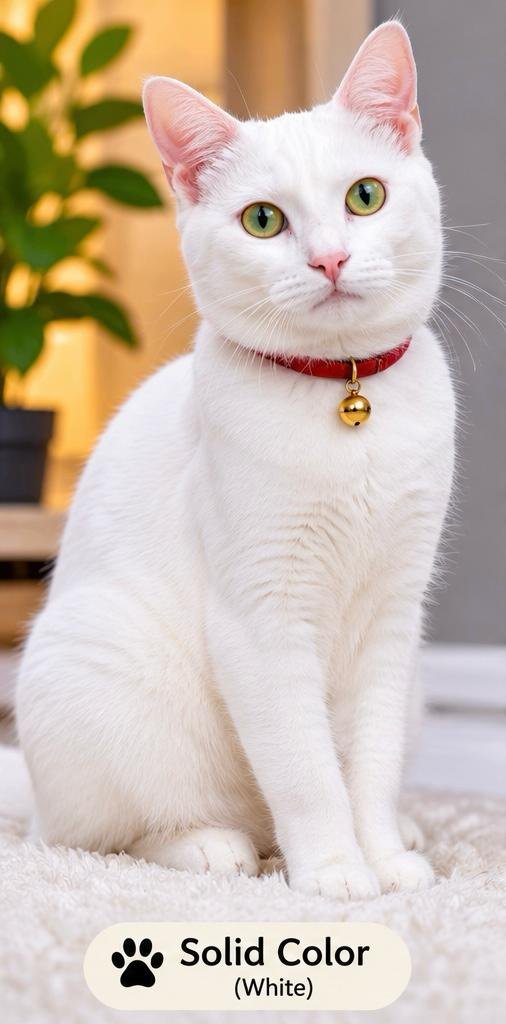
1. Solid Pattern
A solid-colored cat has a coat that appears to be one main color throughout. Common examples include solid black, white, blue-gray, and cream cats.
Although these cats may have subtle variations in shade, their coats generally lack obvious stripes or spots.
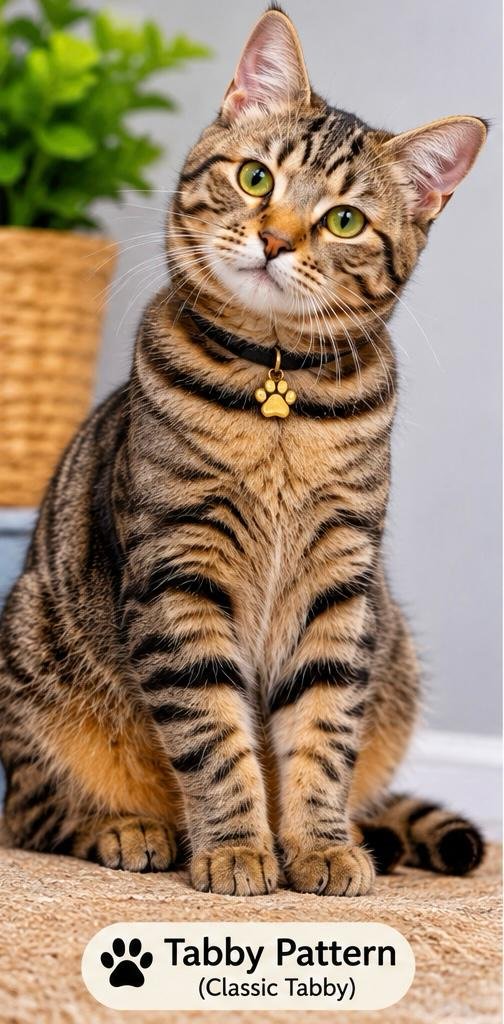
2. Tabby Pattern
The tabby pattern is one of the most common cat coat patterns. Cat Colors and Patterns Tabby cats typically have distinctive markings, and many have an M-shaped marking on their foreheads.
There are four widely recognized tabby patterns:
- Classic tabby: Broad, swirling markings along the sides.
- Mackerel tabby: Narrow stripes running down the body.
- Spotted tabby: Spots or broken stripes across the coat.
- Ticked tabby: Individual hairs have alternating bands of color, creating a finely patterned appearance.
Tabby cats can be orange, brown, gray, silver, and other colors.
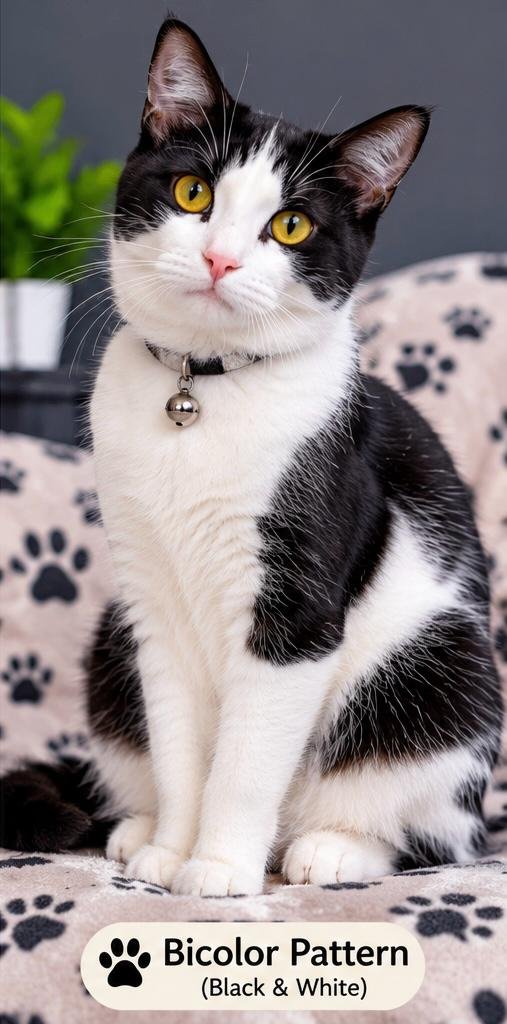
3. Bicolor Pattern
Bicolor cats have two coat colors, commonly white combined with black, gray, or orange.
The amount of white varies from small patches on the chest and paws to extensive white areas covering much of the body.
4. Tricolor Pattern
Tricolor cats display three colors, often white, black, and orange. Calico is the best-known example of a tricolor coat.
The distribution of the colors differs from one cat to another, making each coat pattern distinctive.
5. Tortoiseshell Pattern
The tortoiseshell pattern features a mixture of black and orange pigments or their diluted equivalents. The colors may be finely blended or arranged in larger patches.
This pattern is especially associated with female cats.
6. Colorpoint Pattern
Colorpoint cats have lighter-colored bodies with darker fur on their faces, ears, paws, and tails. This pattern is commonly associated with Siamese cats and related breeds.
The contrast between the body and extremities is influenced by a temperature-sensitive pigment gene.
7. Smoke Pattern
Smoke-colored cats appear to have a darker outer coat with pale or nearly white roots. When the fur moves, the lighter undercoat becomes visible.
This pattern can create a dramatic effect, particularly in black smoke cats.
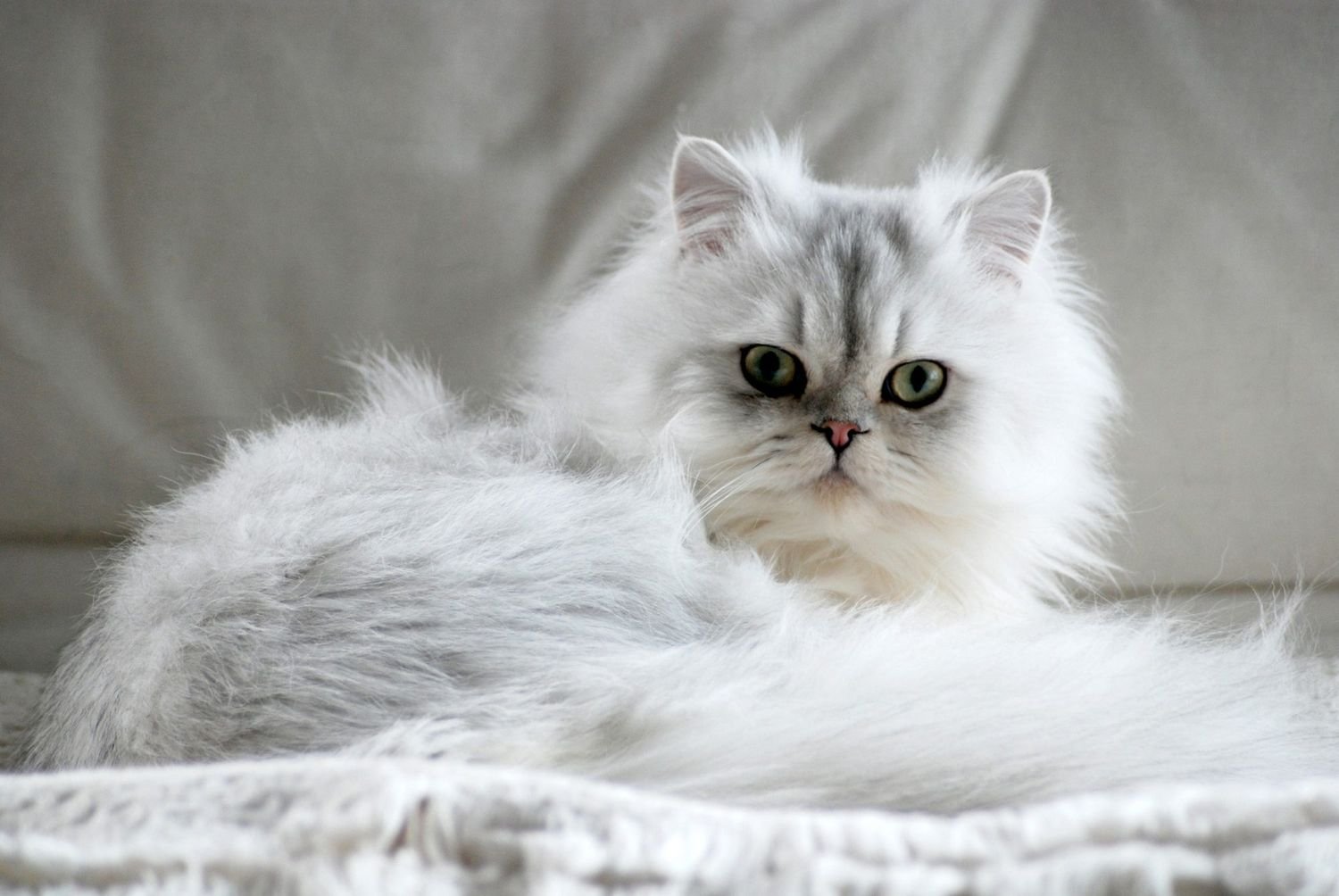
8. Shaded and Chinchilla Patterns
Shaded and chinchilla coats feature lighter fur with darker pigment concentrated toward the tips. Cat Colors and Patterns The amount of dark pigmentation differs between the two patterns.
These elegant coats are often seen in Persian cats and some other longhaired breeds.
How Cat Coat Colors Are Determined by Genetics
Cat coat color is primarily determined by inherited genes that influence pigment production, pigment type, and pigment distribution.
Two major pigment types are involved in feline coloration:
- Eumelanin: Produces black and brown-based colors.
- Pheomelanin: Produces red and orange-based colors.
Other genetic factors affect dilution, white spotting, tabby markings, and colorpoint patterns.
For example, a dilution gene can turn black pigmentation into blue-gray and orange pigmentation into cream. White spotting genes can create white paws, chests, faces, or larger areas of white fur.
A kitten’s coat may also change as it grows. Some cats develop darker or lighter shades with age, seasonal changes, or differences in sunlight exposure.
Do Cat Colors Affect Personality?
Many people believe that orange cats are playful, black cats are mysterious, or calico cats are independent. However, there is no strong scientific evidence that coat color alone reliably determines a cat’s personality.
A cat’s behavior is influenced by genetics, early socialization, environment, health, and individual experiences.Cat Colors and Patterns Every cat has its own temperament, regardless of its fur color or pattern.
When choosing a cat, it is better to consider its behavior, health, activity level, and compatibility with your household rather than relying on coat color stereotypes.
Popular Cat Colors and Patterns by Breed
Different cat breeds are known for particular coat colors and markings.
- Siamese: Commonly recognized for colorpoint markings.
- Russian Blue: Famous for its blue-gray coat.
- Persian: Found in many colors and patterns, including shaded and chinchilla.
- Bengal: Known for spotted and marbled patterns.
- British Shorthair: Available in blue-gray, black, white, cream, and many other colors.
- Maine Coon: Comes in numerous colors and patterns, including brown tabby.
- Turkish Angora: Often associated with white fur but available in several colors.
- Domestic Shorthair: Found in nearly every common feline color and pattern.
A coat color alone does not necessarily identify a cat’s breed. Many colors and patterns occur in mixed-breed cats as well.
How to Care for Cats With Different Coat Colors
All cats need balanced nutrition, fresh water, regular veterinary care, and appropriate grooming.Cat Colors and Patterns However, some coat types benefit from additional attention.
- White cats: Monitor their ears and skin for sun damage, especially if they spend time outdoors.
- Longhaired cats: Brush regularly to prevent tangles and mats.
- Dark-colored cats: Check their skin and coat during grooming, just as you would with any other cat.
- Light-colored cats: Keep the coat clean and seek veterinary advice if you notice unusual staining or skin changes.
- All cats: Watch for excessive shedding, bald patches, itching, or sudden changes in coat condition.
Regular grooming helps keep a cat’s coat healthy and allows you to notice potential health problems early.
LSI Keywords for Cat Colors and Patterns
The following related keywords can help expand the article’s topical coverage and support SEO optimization.
- Cat coat colors
- Cat fur patterns
- Different cat colors
- Types of cat patterns
- Cat color genetics
- Tabby cat markings
- Calico cat colors
- Tortoiseshell cat pattern
- Black and white cats
- Orange tabby cats
- Gray cat breeds
- White cat breeds
- Solid color cats
- Bicolor cats
- Tricolor cats
- Colorpoint cat pattern
- Smoke-colored cats
- Shaded cat coat
- Cat fur color chart
- Common cat coat patterns
- Rare cat colors
- Cat breed colors
- Kitten coat colors
- Cat pigmentation genetics
- Cat coat variations
Frequently Asked Questions (FAQs)
1. What are the most common cat colors?
Common cat colors include black, white, gray, orange, brown, cream, and combinations of these shades.
2. What are the main types of cat coat patterns?
The main patterns include solid, tabby, bicolor, tricolor, tortoiseshell, colorpoint, smoke, and shaded.
3. What is the difference between cat colors and patterns?
Color describes the shade of a cat’s fur, such as black or orange. Pattern describes how those colors appear across the coat, such as stripes, spots, or patches.
4. Why are most calico cats female?
The genes responsible for orange and black fur are associated with the X chromosome. Typical female cats have two X chromosomes, allowing different coat-color variants to appear in separate patches. Male calico cats are rare because they usually need an atypical genetic arrangement.
5. Are orange cats always male?
No. Orange cats can be male or female, although orange coloration is more common in males because of the way the color gene is inherited.
6. What is the rarest cat color?
There is no single universally accepted rarest cat color. Rarity depends on the breed, genetic combination, and whether a color is being considered in domestic cats or a particular pedigree breed.
7. Can a cat’s color change as it grows?
Yes. Some kittens develop different shades or more noticeable markings as they mature. Temperature, age, seasonal coat changes, and genetics can all influence coat appearance.
8. Do black cats have different personalities from other cats?
There is no reliable evidence that black cats have a specific personality because of their coat color.Cat Colors and Patterns Individual temperament depends on many factors, including socialization and environment.
9. What is the difference between calico and tortoiseshell cats?
Calico cats typically have white, orange, and black patches. Tortoiseshell cats generally have a mixture of black and orange or their diluted colors, with little or no white.
10. How can I identify my cat’s coat pattern?
Look at the distribution of colors and markings. Stripes may indicate a tabby pattern, large contrasting patches may indicate bicolor or calico coloring, and darker extremities with a lighter body suggest a colorpoint pattern.
Conclusion
Cat colors and patterns make every feline unique, from solid black and white coats to striped tabbies, spotted Bengals, calico patches, and elegant colorpoint markings. These variations are largely influenced by genetics, which determines the pigments, shades, and distribution of fur colors.
Understanding different cat coat colors and patterns can help cat owners appreciate their pets’ appearance and recognize the characteristics associated with particular breeds. However, a cat’s color does not define its personality or overall health. Every cat deserves proper care, affection, nutrition, and attention, regardless of its coat.
:
Whether you love orange tabbies, gray cats, black cats, or multicolored calicos, learning about feline coat patterns is a wonderful way to understand the diversity and beauty of cats.

2 Comments
[…] Whether you are adopting a gray tabby kitten or already sharing your home with an adult cat, regular veterinary care, balanced nutrition, daily play, and affection will help your feline companion thrive. […]
[…] Whether you have a brown tabby, an orange tabby, a silver tabby, or a spotted cat, every feline has its own unique appearance and character. With proper nutrition, regular veterinary care, grooming, and affection, tabby cats can thrive as beloved family companions. […]